I think this happened because of the Atlanta Marathon fiasco, where they aren't able to take people who ran 26.1 miles on a tough course. The unfairness of letting somebody who bombed 4,500 feet down Mount Charleston or Big Bear or Snoqualmie Pass really was pretty stark because of that.
1,500 feet is a lot. There are super fast courses like Mesa and Rogue Valley/Medford that are less than 1,500 feet net downhill. A 3% gradient is worth 24 seconds per mile.
I think the elevation requirements are interesting. The research I have seen shows 8 seconds per mile per one percent of grade. Mount Charleston has a 4% grade, so that's 32 seconds per mile or basically 14 minutes (actual math is 13:59). So even with the penalty, Revel Mount Charleston is still worth 4 minutes over a flat course.
What I think this will do is kill races at the bottom end of the penalties, have a race with 1,608 feet net drop? Nobody will run that when they could run a race with 2,999 feet net drop and incur the same penalty. This will also cause races in places like western New York, New Hampshire and North Carolina, where people can run gentle decline 1,498 feet courses to pop up.
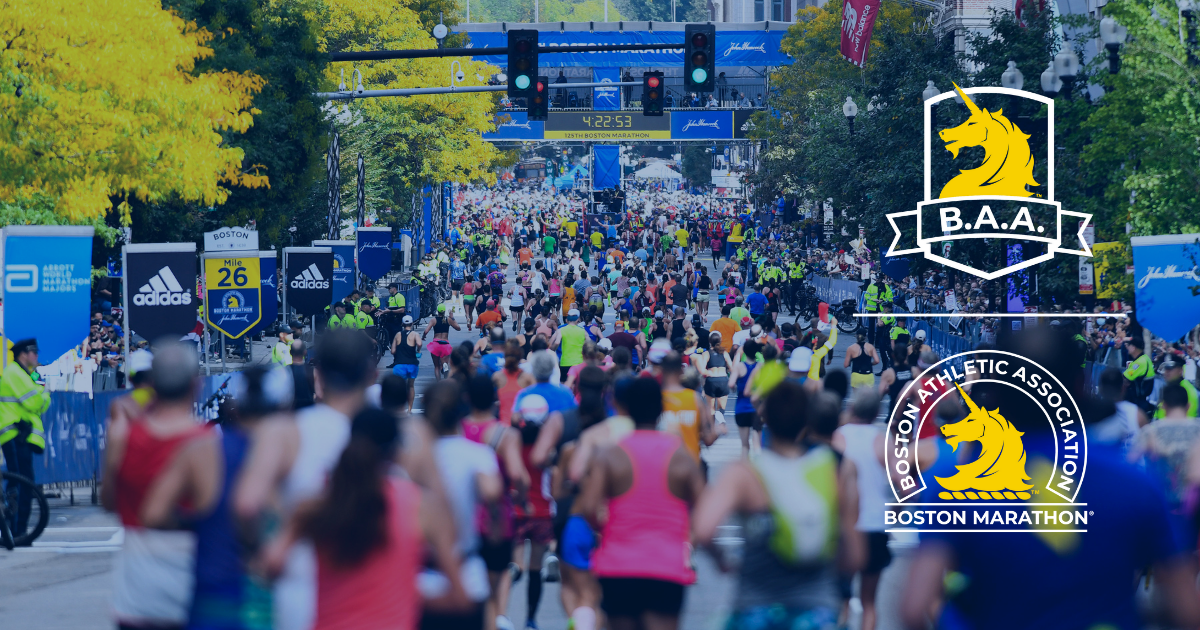
It's a start but will probably be adjusted after the first year. I am glad that this tells me that Boston isn't going to cut times again. With them getting to 2:55 for open athletes, too many people are pushing the limits and/or resorting to performance enhancing drugs to qualify.
Here's hoping that they require races to have random drug testing in the near future. Too many bros watching Matt Choi, the Jeans Guy and other fitness influencers likely on steroids are taking them without thinking about long-term health impacts.