For the longest time I avoided everything but dirt . But you have to race on pavement eventually. Does asphalt toughen up the bones and ligaments and make you faster? Equal and opposite reaction right?
Does running on pavement damage the legs or does it make the muscles more responsive
Training Advice/Discussion
General
-
54
-
Leggy wrote:
For the longest time I avoided everything but dirt . But you have to race on pavement eventually. Does asphalt toughen up the bones and ligaments and make you faster? Equal and opposite reaction right?
Answer to the titular question is Yes.
76 -
You aren't running "on pavement" though, you are running on the greatest foam midsoles ever invented by mankind on pavement.
If you are barefoot, then yes, the pavement will destroy you after a while (assuming you can even tough it out). That would mess you up. Can you imagine doing a 12 miler on the shoulder of the highway at like 6:40 pace barefoot? That would be insane. The downhills would kill me...
So even though I have probably run over 50 thousand miles on the pavement, all of them were in shoes. The shoes are soooo good these days.
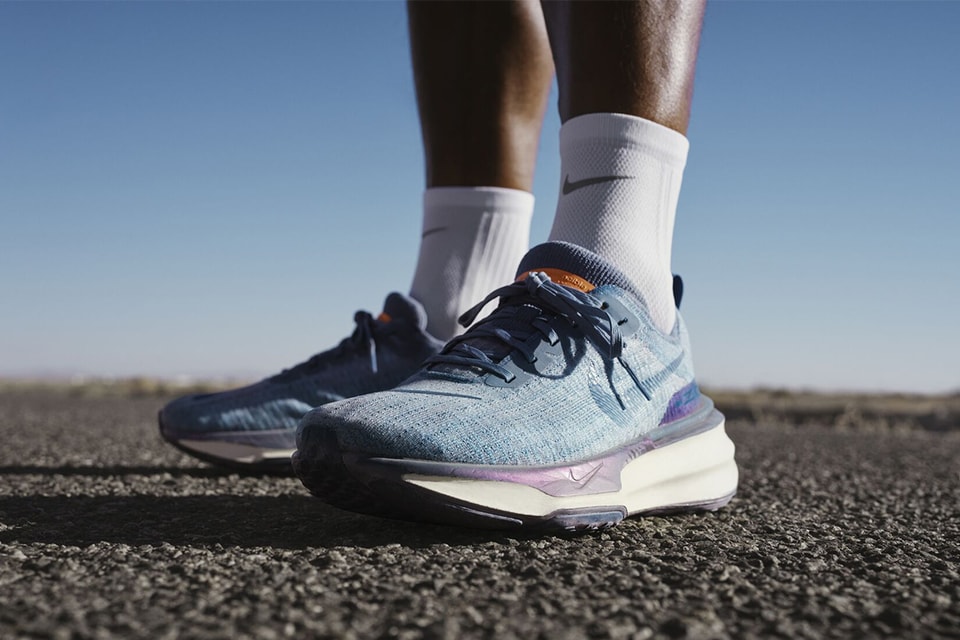
I ran in these today for my easy run (9.5 miles, very hilly, very slow):
3612 -
Stay on grass, your knees will thank you later
1916 -
Leggy wrote:
For the longest time I avoided everything but dirt . But you have to race on pavement eventually. Does asphalt toughen up the bones and ligaments and make you faster? Equal and opposite reaction right?
I have a “depressed first Ray” which caused a lot of stability issues on uneven soft surfaces. I was always injury free on hard smooth roads or tracks, however could only run low mileage because of the impact. So a lot of it is individual
60 -
Studies show that long distance running is good for the knee joint, to a point. However an ''excessive'' amount it bad. What studies have not yet defined is ''excessive''
320 -
Seems like you believe the second.
21 -
AI Overview
Yes, running can damage blood cells in the feet, specifically red blood cells, through a process called "foot strike hemolysis" where the repetitive impact of the foot hitting the ground during running can cause them to rupture in the small capillaries of the soles, leading to a small amount of red blood cell destruction.
Key points about foot strike hemolysis:
Mechanism:
When you run, the force of your foot hitting the ground can put pressure on the capillaries in the feet, causing some red blood cells to break apart.
Impact on runners:
This is particularly relevant for long-distance runners, as the repeated impact over a long period can lead to a noticeable decrease in red blood cell count, sometimes referred to as "runner's anemia".
Minimizing damage:
Choosing proper running shoes with good cushioning, running on softer surfaces, and maintaining good running form can help reduce the risk of foot strike hemolysis.
847 -
Leggy wrote:
For the longest time I avoided everything but dirt . But you have to race on pavement eventually. Does asphalt toughen up the bones and ligaments and make you faster? Equal and opposite reaction right?
I've always heard running on blacktop in the streets is better than sidewalk.
231 -
I think that an uneven surface is great for building strength in the smaller muscles in the foot and lower leg. It is good to run some miles on grass, sand, trail, etc.
But honestly, the worst injuries I have had have come from running on some whack surface and stepping on something unexpected. My ankles are destroyed from a dozen bad sprains over the years. All on trail or lumpy grass with holes.
There are few trails softer than a rubber track. So if we are being honest, a modern shoe on a track is like the "safest" surface.
285 -
I can tell you about the sample size of one that is me.
I've been running for almost 20 years.
I used to do much lower mileage, with most of it on grass or trails. I got lots of injuries.
I now do much more mileage (around 120kms a week or 75 miles) with just about all of it on road or pavement. I haven't been injured for almost 3 years.
Anyway, it's not the surface you run on that injures you; it's the overall intensity of your runs. Run too hard when you're tired and you'll get injured.
283 -
Asphalt is probably the best surface to run on as it is smooth and not so hard. I mean, when you run on dirt or gravel and then change to asphalt, don't you notice how pleasant it feels? Not every paved road is asphalt though. Most sidewalks are concrete or some sort of stone tile, and many roads concrete as well. Stone and concrete are hard.
131 -
Leggy wrote:
For the longest time I avoided everything but dirt . But you have to race on pavement eventually. Does asphalt toughen up the bones and ligaments and make you faster? Equal and opposite reaction right?
I run like 80% on pavement and get injured more frequently than when I trained 80% on trails. Its probably best to do some running on the surface/s on which you will race, but the rest on trails or grass should be fine. I even ran my best marathon when I was putting 100 a week on trails and maybe 20 on pavement.
141 -
Keep it on the 'crete
106 -
Bounce a tennis ball on asphalt, concrete, grass, dirt, and wood chip. It will bounce farther on the first two surfaces because more efficient energy return.
The best surface to run on will always be a tuned track.26 -
I've got over 100,000 miles, in 50+ years of running, and it has almost all been on pavement. The early years had the heaviest miles yet the thinnest shoes; the current generation can't really fathom how little protection those 1970's shoes offered. But my feet, knees, and hip all are (basically) OK, knock wood. One has to have some genetic luck.
All that being said, asphalt is much better than concrete, which is one reason I try to avoid sidewalks.
252 -
good luck lawyering your knees and ankles with semantics, but then you can send them a bill for attorney fees after.
03 -
Ruxton Towers XC wrote:
You aren't running "on pavement" though, you are running on the greatest foam midsoles ever invented by mankind on pavement.
If you are barefoot, then yes, the pavement will destroy you after a while (assuming you can even tough it out). That would mess you up. Can you imagine doing a 12 miler on the shoulder of the highway at like 6:40 pace barefoot? That would be insane. The downhills would kill me...
So even though I have probably run over 50 thousand miles on the pavement, all of them were in shoes. The shoes are soooo good these days.
I ran in these today for my easy run (9.5 miles, very hilly, very slow):
You must of never trained barefoot because you couldn't be more wrong. Barefoot isn't about toughing it out, it's about allowing your soles to relax and run gently which causes less impact than stomping your feet into the ground because you can thanks to cushioned shoes.
612 -
I’ve started running all my runs in Supershoes.. Mostly the Prime X 2 for easy runs and the Adios Pro 3s for faster runs and long runs..
So far I’ve switched to almost all runs on the road and feel way better and recover faster than when I used to mostly run on trails.
20
1 post was removed from this page.
What People Are Talking About On LetsRun
No top threads at the moment. Check back soon.