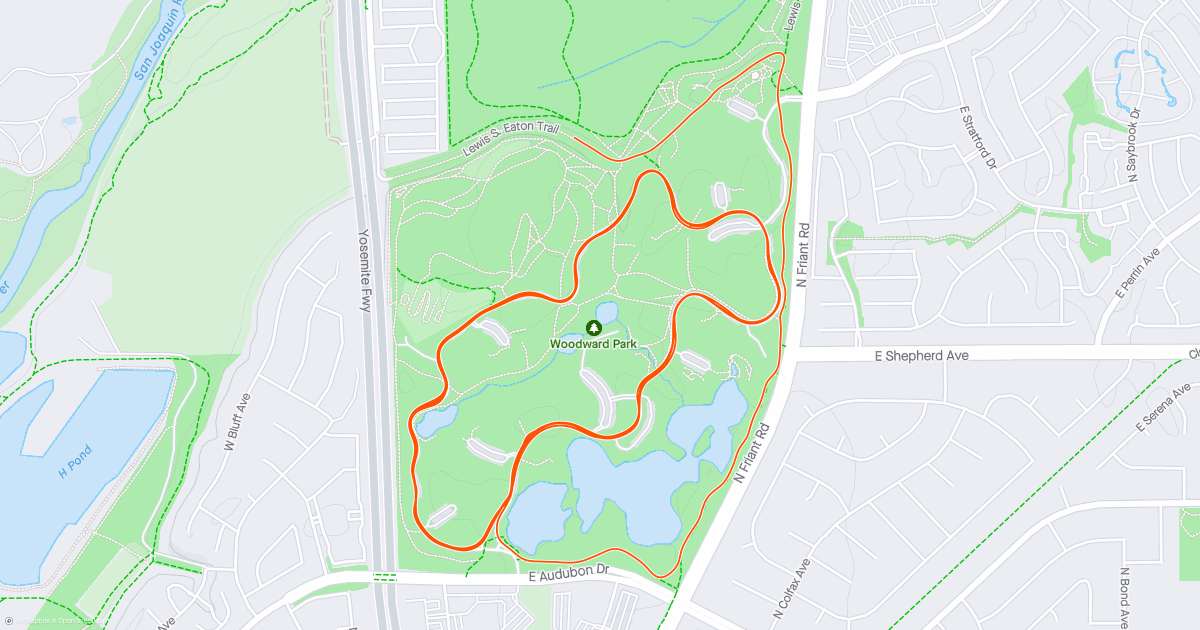
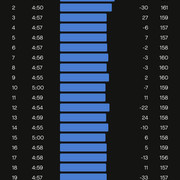
Might be totally off here, but seriously curious about the ideology behind not adding on ~2 miles. While it would not be a PR run, or be official, it would still be quite a fast marathon under your belt. Does he believe that extra 2 is the difference between an injury and a good day of recovery?
For example, if you do a very fast 4.95k tempo, that if finished would be just a bit slower then your PR pace, would you not want to do the last 50 meters?
That being said I am a prep runner and have not raced above 10k, so would not be surprised if I am totally wrong here. Would appreciate someone attempting to explain.
Might be totally off here, but seriously curious about the ideology behind not adding on ~2 miles. While it would not be a PR run, or be official, it would still be quite a fast marathon under your belt. Does he believe that extra 2 is the difference between an injury and a good day of recovery?
For example, if you do a very fast 4.95k tempo, that if finished would be just a bit slower then your PR pace, would you not want to do the last 50 meters?
That being said I am a prep runner and have not raced above 10k, so would not be surprised if I am totally wrong here. Would appreciate someone attempting to explain.
I'd argue that every mile beyond 20 is exponentially more fatiguing, and will increase recovery time by quite a lot.
CJ is obviously aiming for the optimal amount of training stress for him on this day, and 24 miles is it.
For a guy who has run sub-2:12 many times, I don't think another marathon in that time means anything at all to him (especially not in training).
Also, it's not an official course, and he'd just be taking the distance off his watch. Most official marathons read 300-600m over on just about every GPS watch.
He does write in his Strava comments that the actually marathon will add about 55 secs due to extra 300m. Also that he won’t be able to stay with the lead group and there isn’t a big field of 2nd tier guys running 2:07ish pace so he won’t likely get a drafting benefit.
Nice to see an elite give that kind of detailed explanation ahead of a key race.
The idea of steady state oxygen cost is outdated even at steady velocity, O2 cost moves arounda bit; at lower intensiy this is called VO2 drift (up and down), at moderate to high intensity it's called VO2 slow component (up, dependent on time and extent above VT), In the early days of this research (which technically can be traced back to AV Hill but didnt get big interest until the mid 70s it became clear HR also tends to drift.
Might be totally off here, but seriously curious about the ideology behind not adding on ~2 miles. While it would not be a PR run, or be official, it would still be quite a fast marathon under your belt. Does he believe that extra 2 is the difference between an injury and a good day of recovery?
For example, if you do a very fast 4.95k tempo, that if finished would be just a bit slower then your PR pace, would you not want to do the last 50 meters?
That being said I am a prep runner and have not raced above 10k, so would not be surprised if I am totally wrong here. Would appreciate someone attempting to explain.
It would not be a fast marathon under his belt. It would be a really fast long run. The same holds true in your 4.95 tempo run. In each case it's a workout, not a race and once you're satisfied you've done what you needed with it you stop.
Its where youre fXXcking bodyheats up from running and your heart rate goes up. Depending on weather and how sweaty or how much salt you lose, your heart rate will usually increase after an hour like 10 more beats per minute at least.
Let me preface this by saying, my average HR on my long run yesterday was 165 compared to CJs 155, so I am clearly a workout hero.
but, with CJ running (and then posting) numbers like these, anything short of an AR is a disappointment. The guy just ran 24 miles at his PR pace at the end of a week of miles. If he was being coached by Canova this LR would point towards a 2:03 (this is roughly 40k at 95% of 2:03 pace). My question is, if he is really this fit, how did he not dominate the Oly trials? How did he only run 2:09 high at Boston?
Might be totally off here, but seriously curious about the ideology behind not adding on ~2 miles. While it would not be a PR run, or be official, it would still be quite a fast marathon under your belt. Does he believe that extra 2 is the difference between an injury and a good day of recovery?
For example, if you do a very fast 4.95k tempo, that if finished would be just a bit slower then your PR pace, would you not want to do the last 50 meters?
That being said I am a prep runner and have not raced above 10k, so would not be surprised if I am totally wrong here. Would appreciate someone attempting to explain.
If its the races that counts, there is no reason to sacrifice your workout. If you always are going to add distance, and maybe even speed (hey If I run these miles 10s faster I get a new segment PR!) your race day performance will suffer.
Help us build the best running shoe review site for a chance to win a LetsRun t-shirt.Help us build the best running shoe review site for a chance to win one of 10 LetsRun t-shirts.