The bi-carb is essentially junk science. You would have to take enough of it to A. survive the acidic environment of the stomach and B. to get into the bloodstream and have a neutralizing effect on lactic acid.
Unless you are eating baking soda, you are not going to see improvements, especially at long-distances
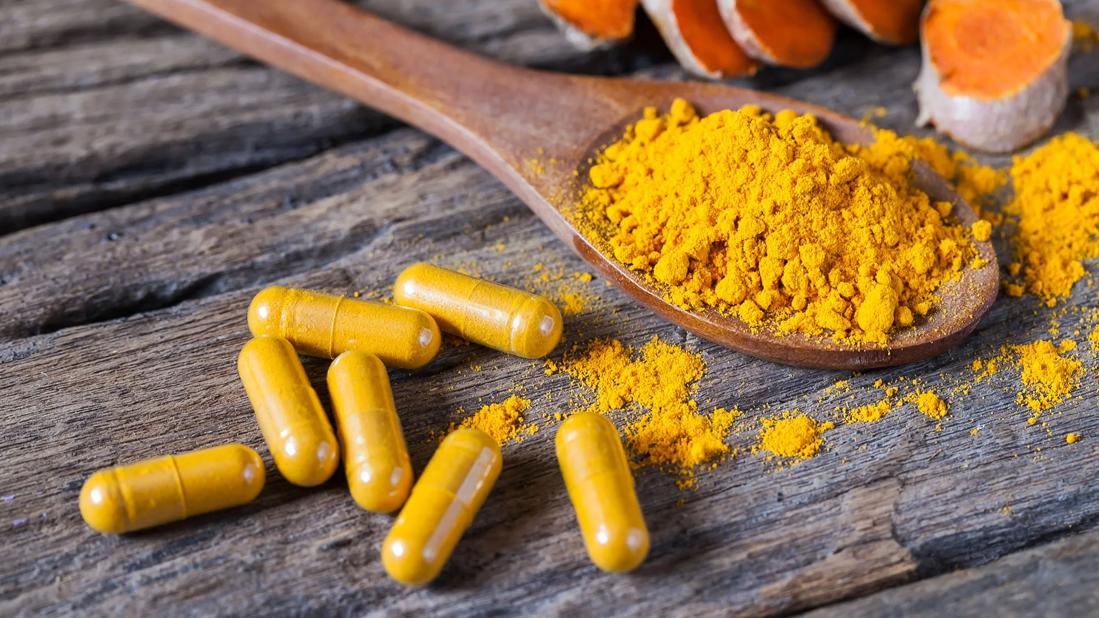
I would also say take some tumeric pills. Many great benefits. One study concluded that 0% of people with pre-diabetes who took tumeric developed diabetes.
If you make the dose large enough, 0% of people with pre-diabetes who take arsenic (or other poisons) will develop diabetes, but that doesn't mean it's a good idea to do that.
As an exercise physiologist I can tell you that you that 99% of the things listed in the 5 pages I just read are very effective at one thing: giving you very expensive urine.
I’d highly recommend looking at the Australian Institute of Sport framework for supplements, which ranks supplements based on scientific evidence (rather than word of mouth on an anonymous message board) to support/reject their use for athletes.
Magnesium, HMB, BCAAs etc are all class c - Scientific evidence not supportive of benefit amongst athletes.
The Australian Institute of Sport (AIS) mission is to lead and enable a united high performance (HP) system that supports Australian athletes/teams to achieve podium success.
For me, the essentials have been iron, magnesium, and vitamin D—especially in winter when I barely see the sun. I run long distances several times a week, and iron has helped a lot with keeping fatigue in check. Magnesium’s great for muscle recovery and avoiding cramps post-run. I’ve cycled through a few others like beet powder and turmeric, but I usually judge based on how I’m feeling during my training blocks. I’ve also been trying to fine-tune things by using personal recommendations instead of blindly buying from the store. I started using the insights from Menalam for this purpose—it’s helped me lock in what my body actually needs instead of guessing.
I am pretty religious about lifting weights and every morning I have a protein shake with chia seeds, flax seed, sesame seed and pumpkin seeds. They all have a lot of protein and are very high in Omega3. The pumpkin seeds are high in magnesium.
Along with those, I take multivitimins, Vit. D, Creatine, Vit E and a few others.
I would also say take some tumeric pills. Many great benefits. One study concluded that 0% of people with pre-diabetes who took tumeric developed diabetes.
I'm starting turmeric based on the health benefits I've read about. Here's a general overview:
Known for its golden hue, turmeric also has anti-inflammatory properties that benefit your health. A registered dietitian shares six healthy reasons to work turmeric into your dishes.
Beta-Alanine, L-Carnitine, vitamin D3, Nitric oxide (key compound in beets), and Zinc-Magnesium before bed.
Can't you get enough Beta-Alanine through a diet rich in poultry, fish, and red meat?
It's possible. At 3g/day, you'd need to consume between 12 oz and 2.5 pounds of red meat per day. Chicken and fish would need more like 4lb/day.
For the runners under 30 reading this, some can probably function just fine on a junk food diet. Whether it will cause health problems later in life is another matter.
The problem for older runners is as we age, the body's energy factories become less efficient. Just like an old car needs more gasoline to get around, the aging body needs more raw materials to offset the loss in efficiency caused by cellular aging.
After 50, it becomes increasingly important to ensure the body has enough of the right raw materials, such as beta alanine, to continue to function at a high level.
I take creatine, beta alanine, and HMB as a pre-workout drink. I think similar combinations can be found in many of the gym pre-workout powders... C4, Gorilla Mode, etc.
65 yr old former competitive runner. Primarily weight training & non-weight bearing cardio due to post-traumatic OA from running related injuries & injuries sustained from a bad car accident.
I'm not sure if anyone is still following the thread, but I'm leaving my comment anyway For running I keep it pretty basic, omega 3, magnesium, D3 + K2, electrolytes, sometimes caffeine. No crazy stack. I’ve been using Omega 3 from Performance Lab, algae based so no fishy taste, and yeah, recovery days feel a bit easier, legs don’t feel trashed after long runs like before.
Dont listen to any advice here. Take a blood test, spot your deficiencies, see an expert, supplement. Easy as that. (yes they will all say vitamin D, magnesium,, Fish Oil, some even Vitamin K, Creatine) the usual suspects. What you need is what your body lacks.
Dont listen to any advice here. Take a blood test, spot your deficiencies, see an expert, supplement. Easy as that. (yes they will all say vitamin D, magnesium,, Fish Oil, some even Vitamin K, Creatine) the usual suspects. What you need is what your body lacks.
Pretty much this. I used to take a bunch of supplements I found I didn't need. I cut it down to the following, mostly just to try and maximize recovery.
1. Magnesium Glycinate at night for recovery
2. L-Theanine in the morning or night for recovery and calming feel
3. Vitamin D for injury prevention (bone health) and recovery
4. Fish Oil for joints and heart
5. Metamucil, less running related though it helps. I believe Fiber is mega important
I take these regardless of running or not though. My sleep has never been better as well as gut health. For running, it really is just the final 10% for performance.
I am interested in trying a carb + electrolyte mix. I just ordered some BPN G.1.M Sport mix and am wondering if anyone has tried it or something similar.
All the people saying Vitamin D - don't you get enough from the sunlight when you're running? If you lived a sedentary, indoor lifestyle I could understand needing supplementation, but outdoorsy runner folk?