Let me take a shot at explaining tariffs.
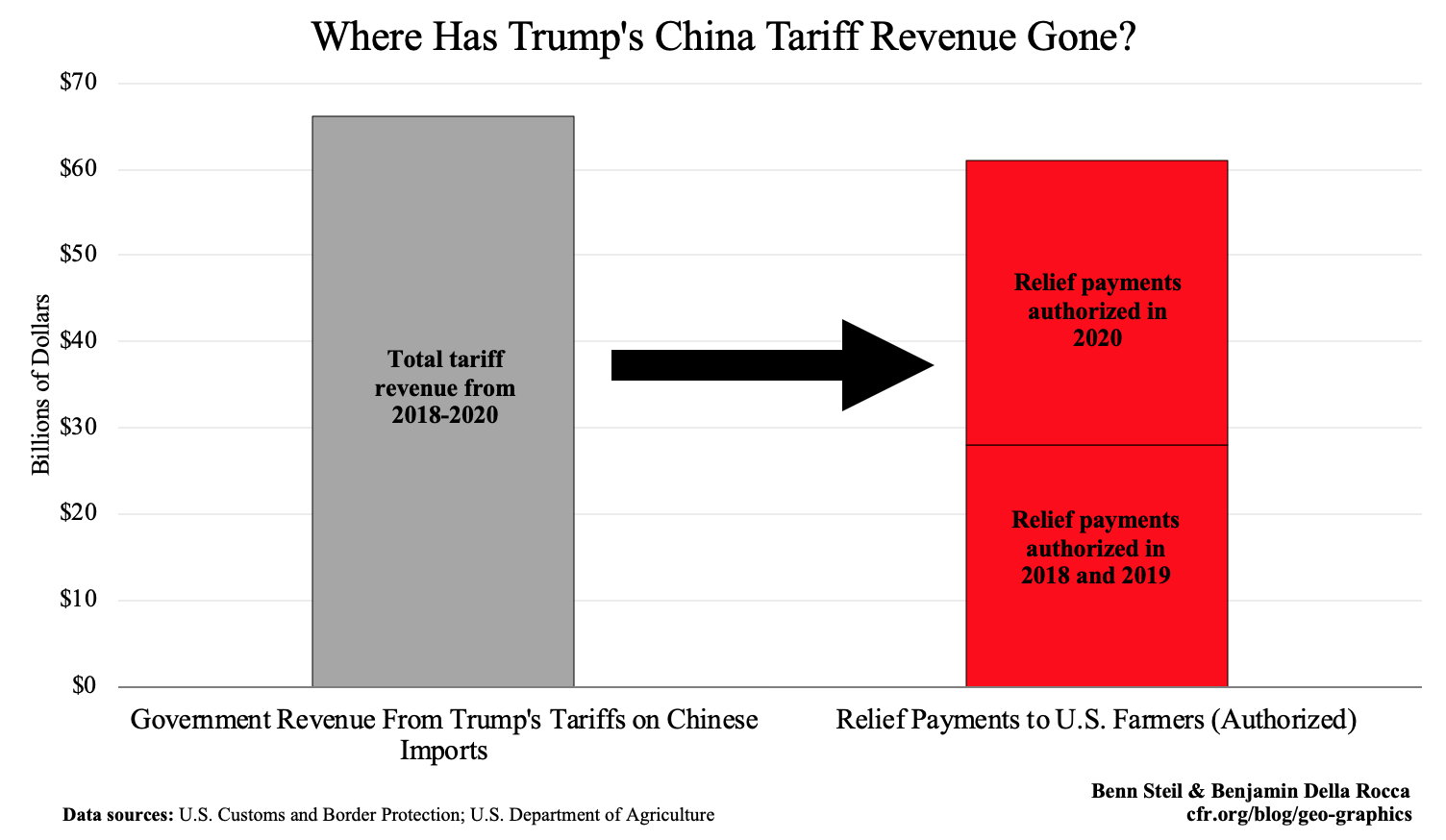
Tariffs are a fee paid by the importer, usually the company shipping these goods to the US.
The importer typically raises prices to offset the tariff. The increase is passed on to the retailer who passes it on to the consumer.
In a static system, if the tariff is $40, the consumer pays $40 more. However, world markets are NOT static. They are dynamic.
In the real world, the importer initially has a price advantage. The immediate effect of tariffs is to take away that price advantage. The importer must reduce prices to remain competitive. So, part of the tariff is paid by the importer. Unfortunately, domestic producers know this and increase their prices. The result is inflation. But, and this is important, the inflation is only for the imported goods that have been tariffed so the effect on overall US inflation is much less.
Worse for other country, reducing production is extremely disruptive for their importers. Company profits fall. Their stock prices fall. Workers are laid off. Tax revenue to the government from companies and workers is greatly reduced.
Now, here is the point that both sides of the debate seem to be missing. Tariffs are like Power Slap, the competition where two competitors take turns slapping each other. In Power Slap, the winner is the last competitor standing. When one side is way bigger and stronger than the other, the smart opponent concedes before the first slap is landed.
That's what we're seeing here. Trump is using the threat of tariffs to get other countries to change their economic policies towards the US. And... to get companies to relocate their manufacturing plants to the US. The US doesn't have to actually implement the tariffs... or not for very long. Or, the US can modify the tariffs as a concession to get the changes the US wants from the foreign nation.
Yes, it's likely that tariffs will cause a blip in consumer prices for some goods. However, there's a long-term strategy to lessen the US's dependency on these imports. In Canada's case, that's oil, natural gas, and auto parts.