The new Marius Bakken article seems like an interesting discussion point here:
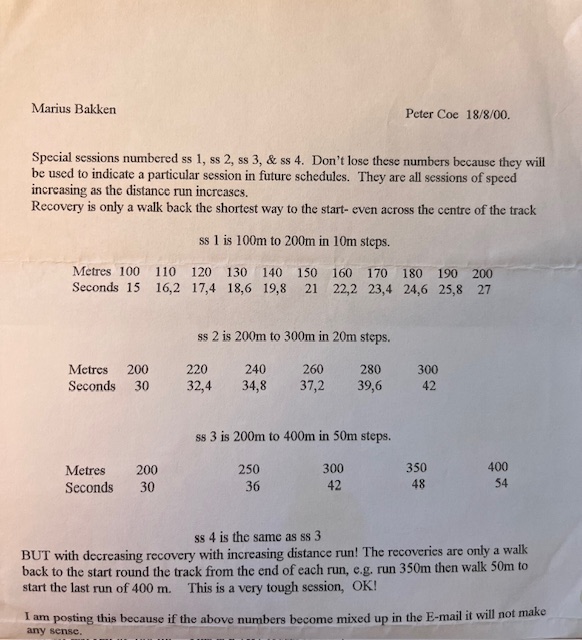
"This aligned with what I had observed in Peter Coe’s training and later confirmed through lactate testing. While continuous efforts have their place, intervals offer a higher return relative to muscular load—a key insight that stayed with me.
That principle stuck with me for the rest of my career—and eventually became central to the model.
It also taught me to consider the cost of a session, not just its minutes of intensity. That perspective led me to prioritize intervals, particularly through double threshold sessions, to push the training ceiling without compromising the muscular system and wearing it down.
An interesting point here is that isolated studies show the opposite : the “effect” of continuous effort vs. intervals in isolation seems greater. However, this is missing an important point : the limiting factor in terms of load comes (mostly) down to the muscular system in running. So you need to weigh the session effect vs. the actual load and try to fill as much as possible of the “correct” training while balancing the muscular system."
Do pros benefit more from tempo intervals because they already have enough muscular load with the volume and speeds they're running, that they actually need to try to minimize additional load? Whereas for hobbyists we're often limited by available time, so we benefit from getting in the mechanical load where we can?