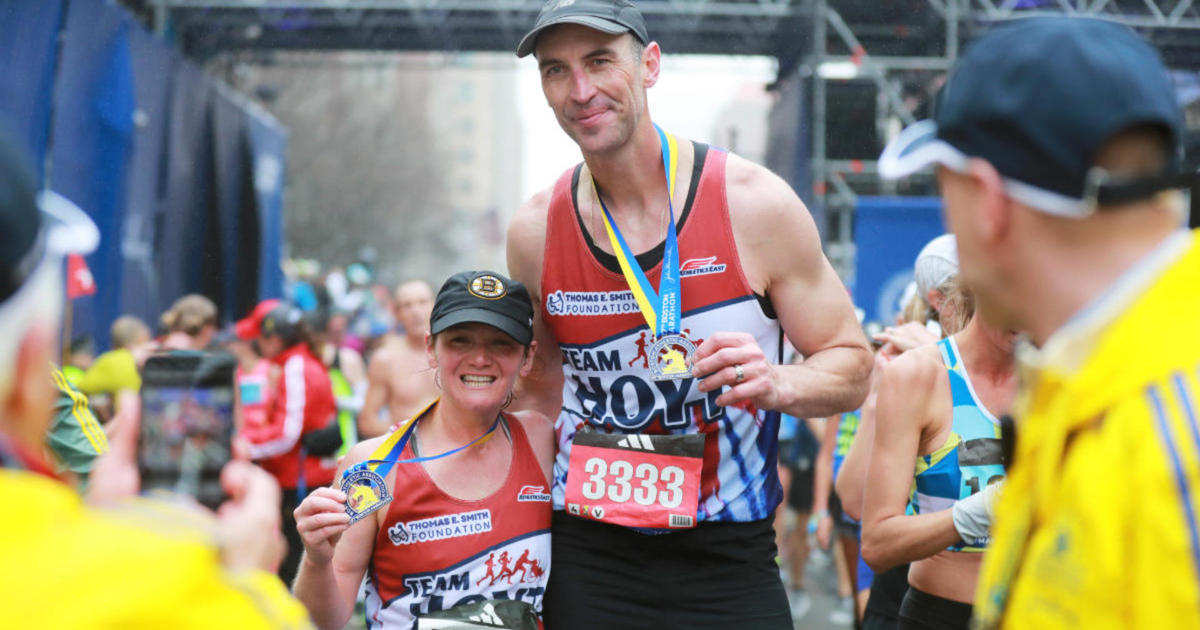
A top comment on that post is: "All the right energy. I met Matt at the Finish Line on Sunday. Bro is tall!" I think that about sums up the stupidity of running influencers and their fans pretty well. Great vibes and dude is tall! Wow, what a hero.
I don't get the whole fandom around these influencers. Maybe I am too old and cynical, but why are folks so "inspired" and "feeling the vibe/energy" or "getting goosebumps" from slow runners with a YouTube channel?
These are not A listers nor do many of them have a truly inspiring story. I would totally get it if someone went from 300 pounds and diabetic to a healthy 150 via running. A cancer survivor or someone from a distressing background? That's makes sense. But most of these influencers are pampered spouses monetizing their hobby, ex-jocks from ball sports that discovered running late, or former high school JV athletes that kept training but now pose as longtime experts on the craft. What's so captivating about trust fund brats and unemployed spouses with time on their hands?
A top comment on that post is: "All the right energy. I met Matt at the Finish Line on Sunday. Bro is tall!" I think that about sums up the stupidity of running influencers and their fans pretty well. Great vibes and dude is tall! Wow, what a hero.
A lot of gays out there wanting wanting his Sundae.
A family man that balances family life with work and training and qualifies but gets denied. Then there's people like Choi who get to take their spot and fans praise them because they give their mundane lives meaning and purpose..
Now that the opening races are over, it's time for the main event, running influencers at Boston.
Meghan Murray from Believe in the Run: went through the half at 1:25, then promptly blew up and is running 7 minute miles.
Thomas Neuberger from Believe in the Run: ran a flying 28 minute opening 5k. This a dude who trains in $300 shoes. To run 9 minute pace! He should just go buy a pair of Brooks Ghosts!
Matt Choi, who somehow started in the fast wave, ran a 22 minute opening 5k, then faded to a 1:36 half and is now running 8:25 miles.
Katelyn Mueller, fading to 7:30 pace.
Ben Parkes, massive blow up at 15k, and is now jogging 9 minute pace past 20 miles.
Why oh why does the Internet hold these people up as experts? Why is anyone paying Choi, who can't run an average marathon unless it's down the side of mountain, for coaching?
Anyway, I suggest Rabbit send them all a free copy of this singlet that says "Show Up and Blow Up," on the front and "no one cares" on the back. They all sure did and no one does!
Compare that to the influencer/coach who was planning on fueling w 13 Maurten gels for Boston....cause science... All for a 3:16 marathon.
I want to clarify that my problem with running influencers isn't that they're slow or untalented runners. Like I could get people following someone who used to be obese or just really bad at the marathon and then worked their way to a 3:30 time and learned a lot along the way. What I find so annoying about these people is they believe they are training smart and doing all this extra stuff that they claim will help them get faster but they always run the same or worse. I they amplify everything about themselves and broadcast it loudly, except the results once they start turning sour. These influencers would 100% skip races if they could still maintain the image without the race photos. You can BS a training run, instagram workout or video, but you can't BS a race!
Exactly. I have respect for the 3:30-4:30 runners who go from c25k to a 3:30, bust their arse, stay humble and even tell those on insta "I know I don't know everything, consult with others to add to your knowledge of running." There are a few good ones out there.
Now that the opening races are over, it's time for the main event, running influencers at Boston.
Meghan Murray from Believe in the Run: went through the half at 1:25, then promptly blew up and is running 7 minute miles.
Thomas Neuberger from Believe in the Run: ran a flying 28 minute opening 5k. This a dude who trains in $300 shoes. To run 9 minute pace! He should just go buy a pair of Brooks Ghosts!
Matt Choi, who somehow started in the fast wave, ran a 22 minute opening 5k, then faded to a 1:36 half and is now running 8:25 miles.
Katelyn Mueller, fading to 7:30 pace.
Ben Parkes, massive blow up at 15k, and is now jogging 9 minute pace past 20 miles.
Why oh why does the Internet hold these people up as experts? Why is anyone paying Choi, who can't run an average marathon unless it's down the side of mountain, for coaching?
Anyway, I suggest Rabbit send them all a free copy of this singlet that says "Show Up and Blow Up," on the front and "no one cares" on the back. They all sure did and no one does!
In his IG Choi has a post about doing 12mph (5min) pace intervals. Meanwhile he could run Boston in under 8 min pace.
Choi is also apparently running London next week. I don't understand the point of doing stuff like this. There's nothing exceptional about any of this. People devote considerable effort trying to qualify for these events and guy's like this make a mockery of the process.
I do Irish Dancing too and these instaflunencers in running are almost as bad as the cheating judges in that sport.
I don't get the whole fandom around these influencers. Maybe I am too old and cynical, but why are folks so "inspired" and "feeling the vibe/energy" or "getting goosebumps" from slow runners with a YouTube channel?
These are not A listers nor do many of them have a truly inspiring story. I would totally get it if someone went from 300 pounds and diabetic to a healthy 150 via running. A cancer survivor or someone from a distressing background? That's makes sense. But most of these influencers are pampered spouses monetizing their hobby, ex-jocks from ball sports that discovered running late, or former high school JV athletes that kept training but now pose as longtime experts on the craft. What's so captivating about trust fund brats and unemployed spouses with time on their hands?
It's an interesting thing these days. As I get older and slower (but am still active on social media and love social media) I see the line between being a "fast sponsored athlete and/or coach" and "influencer" blur more and more.
I think part of it is the rise of social media short form content (IG reels, Tik Tok, Youtube shorts etc). You can throw up a catchy 8-15 second video and say some simple tip with catchy music and some hashtag like #hybridathlete and #LetsGo and it can tens of thousands of views (if not hundreds or millions) very quickly.
The Running Influencers I've seen have some things in common and work some different angles:
1. Gear and materialism. From shoe and clothing reviews to nutrition products it's all about "reviewing or promoting" gear and bouncing around with the latest and newest thing. This is great for shoe companies as they are always coming out with new models - and it's great content for the influencer because they always have a fresh new video to make to keep consumers on their toes. Shoe review after shoe review = Win win.
2. Reliability. Being a "normal person" (but generally a bit faster than the masses and being able to BQ or go sub 3 or do a sub 20-min 5km) is relatable to people slower (say the 3-4 hour marathon crowd) because they aspire to that very same goal and can see a bit of themselves in the influencer. The influencer can then make a big deal about how they are "non-elite" and "not a sponsored pro" because they are a "common runner" just like you! A leader of the masses and a voice of the midpacker. They will maybe have a family life to balance or talk about how much they work while also balancing all their obligations training and racing and traveling and doing social media work/creating content. Not like a "full time pro" who has it "easy." You run a low 2-hour marathon at low 5-min or sub 5-min/mile pace and that's simply not as relatable.
3. Motivation/Inspiration. This kind of goes back with #2 of being relatable. Real fast sponsored pros aren't always the best cheerleaders from a mental/psychological standpoint and are too fast to relate to. People often complain about how the pros "had it easy" at Boston because they got "special fluid bottles" and only had to suffer for 2 hours (instead of 3 or 4 r 5hrs +) etc. But influencers will bring the vibes and high energy to get you out the door and pumped! It means yelling and high-fiving out on the course or during a group run/workout. That can also be with sharing their excitement of experiencing an atmosphere like Boston or UTMB and all the glory of an iconic event weekend (again back to #1 Materialism and swag) and being wined and dined by the sponsors doing special engagement events from speaking gigs, to shake out runs, and of course filming it all. Shooting finish line shots, the finisher medal (or belt buckle or jacket/race shirt etc) and maybe a nice accommodations and some special drinks/meals always adds to the vibe.
4. Either being good with the camera/editing/filming OR being a "hybrid athlete". Generally influencers can afford the best new camera gear and will flaunt their latest pro deal with GoPro or Insta 360 or a new $3000 sony shooting 4k with a $1000 lens. Some can be really good "filmmakers" and "story tellers" and the editing is a huge refreshing contrast to old running content online (from someone like me who shoots with a $500 eight year old camera in 1080 or a very old iphone....I also don't know how to edit really!).
--OR
They are do something like a lot of weight lifting and other strength because they are a "well rounded hybrid athlete" and they usually then run shirtless and have a professional video person film and edit content for them all the time. Or at least a significant other/loyal friend follow them on a bike for a good stable moving/panning shot while they do workouts and give coaching tips.
-----------
Now I don't see any of this as inherently "good" or "bad". It's a free market. I see it as evolving trends in society and in the sport of running and society/culture. And again, I've always said that anyone with a relatively large social media following has "online influence." I've always thought the realm between "Influencers" and "Pro Sponsored" athletes is actually fairly similar. We're part of the marketing arm for brands and companies that want to sell product. If one wants to get paid and get the perks they need to create value. Eyeballs, following counts, watch time, and engagement is a golden currency in this market.
The issue I see is if Influencers take spots from people that hit a BQ and were denied entry to Boston...then that's not based on quantitative and fair merit (which I think the sport should be about). Or if they trip people up on the course with their cameras or bike crew. Or if they are on PEDs....
The other issue goes back to the idea that the influencers can give bad training and racing advice and spread misinformation quickly across the internet because of their large followings and egos. It does the running community a disservice and can injury people or make them have unrealistic expectations. People run a marathon or two (and maybe crack 3) and suddenly they become "expert coaches" and act like a pro/coach that has been doing this for decades.
In any case, being an Influencer can be much, much more lucrative than being a fast pro sponsored athlete.
Choi slows to 8:45 pace at 30k. He's going to struggle to break 3:30!
I try so hard to not be such a hater, and I often catch myself being wayyyy too negative about stuff I dislike.
But man, I sorta love seeing these online-personality-first influencer dorks crash and burn. Choi needs to either be much faster, or be much quieter, or (preferably) both — a sentiment you could apply to most people mentioned on this thread.
The other issue goes back to the idea that the influencers can give bad training and racing advice and spread misinformation quickly across the internet because of their large followings and egos. It does the running community a disservice and can injury people or make them have unrealistic expectations. People run a marathon or two (and maybe crack 3) and suddenly they become "expert coaches" and act like a pro/coach that has been doing this for decades.
Great post, but I think this is a very strong point. There has always been misinformation in running. I remember when I was a young kid maybe 13 years old, random people would come up to my dad at track meets and offer unsolicited advice. "He's running too close to the curb"/"He should be running right on the curb", "Take 2 weeks off after track"/"no days off!", etc etc.
But now, holy smokes. EVERYONE has a platform to offer running advice and yet SO FEW of these influencers present their beliefs with a warning/suggestion that just because something works for them, it doesn't mean it will work for everyone. ANYONE who comes across as being so dogmatic about their beliefs is not worth listening to.
I feel like half of my instagram feed is recreational runners pushing either their training beliefs, nutrition demands, and/or product codes.
The amount of slow runners that follow the influencers out weigh the amount of fast ones. There will always be a large following for some unless the market dries up, with runners seeking advice on training and nutrition but it's not coming from a reputable source. If you listen to a live stream of some of them you'll get a good idea.
The amount of followers that 2 of the people running the marathon was important to bring up.
If you listen to the BITR podcast you'd think Thomas was a 2:30 marathoner. Dude makes fun of "slow" runners, anyone who doesn't wear Tracksmith/Saysky/Bandit, people who race in trainers... and then runs 5+ hours at NYCM. Neither he nor Robbe have ever actually qualified for Boston but they get sponsor bibs every year.
Choi is a clown for sure, but at the same time people take these events way too seriously, so in a way having him show up, under prepared and pounding beers is kinda relatable.
Not saying I'm a fan, but I don't think it's all bad
I don't get the whole fandom around these influencers. Maybe I am too old and cynical, but why are folks so "inspired" and "feeling the vibe/energy" or "getting goosebumps" from slow runners with a YouTube channel?
These are not A listers nor do many of them have a truly inspiring story. I would totally get it if someone went from 300 pounds and diabetic to a healthy 150 via running. A cancer survivor or someone from a distressing background? That's makes sense. But most of these influencers are pampered spouses monetizing their hobby, ex-jocks from ball sports that discovered running late, or former high school JV athletes that kept training but now pose as longtime experts on the craft. What's so captivating about trust fund brats and unemployed spouses with time on their hands?
It's an interesting thing these days. As I get older and slower (but am still active on social media and love social media) I see the line between being a "fast sponsored athlete and/or coach" and "influencer" blur more and more.
I think part of it is the rise of social media short form content (IG reels, Tik Tok, Youtube shorts etc). You can throw up a catchy 8-15 second video and say some simple tip with catchy music and some hashtag like #hybridathlete and #LetsGo and it can tens of thousands of views (if not hundreds or millions) very quickly.
The Running Influencers I've seen have some things in common and work some different angles:
1. Gear and materialism. From shoe and clothing reviews to nutrition products it's all about "reviewing or promoting" gear and bouncing around with the latest and newest thing. This is great for shoe companies as they are always coming out with new models - and it's great content for the influencer because they always have a fresh new video to make to keep consumers on their toes. Shoe review after shoe review = Win win.
2. Reliability. Being a "normal person" (but generally a bit faster than the masses and being able to BQ or go sub 3 or do a sub 20-min 5km) is relatable to people slower (say the 3-4 hour marathon crowd) because they aspire to that very same goal and can see a bit of themselves in the influencer. The influencer can then make a big deal about how they are "non-elite" and "not a sponsored pro" because they are a "common runner" just like you! A leader of the masses and a voice of the midpacker. They will maybe have a family life to balance or talk about how much they work while also balancing all their obligations training and racing and traveling and doing social media work/creating content. Not like a "full time pro" who has it "easy." You run a low 2-hour marathon at low 5-min or sub 5-min/mile pace and that's simply not as relatable.
3. Motivation/Inspiration. This kind of goes back with #2 of being relatable. Real fast sponsored pros aren't always the best cheerleaders from a mental/psychological standpoint and are too fast to relate to. People often complain about how the pros "had it easy" at Boston because they got "special fluid bottles" and only had to suffer for 2 hours (instead of 3 or 4 r 5hrs +) etc. But influencers will bring the vibes and high energy to get you out the door and pumped! It means yelling and high-fiving out on the course or during a group run/workout. That can also be with sharing their excitement of experiencing an atmosphere like Boston or UTMB and all the glory of an iconic event weekend (again back to #1 Materialism and swag) and being wined and dined by the sponsors doing special engagement events from speaking gigs, to shake out runs, and of course filming it all. Shooting finish line shots, the finisher medal (or belt buckle or jacket/race shirt etc) and maybe a nice accommodations and some special drinks/meals always adds to the vibe.
4. Either being good with the camera/editing/filming OR being a "hybrid athlete". Generally influencers can afford the best new camera gear and will flaunt their latest pro deal with GoPro or Insta 360 or a new $3000 sony shooting 4k with a $1000 lens. Some can be really good "filmmakers" and "story tellers" and the editing is a huge refreshing contrast to old running content online (from someone like me who shoots with a $500 eight year old camera in 1080 or a very old iphone....I also don't know how to edit really!).
--OR
They are do something like a lot of weight lifting and other strength because they are a "well rounded hybrid athlete" and they usually then run shirtless and have a professional video person film and edit content for them all the time. Or at least a significant other/loyal friend follow them on a bike for a good stable moving/panning shot while they do workouts and give coaching tips.
-----------
Now I don't see any of this as inherently "good" or "bad". It's a free market. I see it as evolving trends in society and in the sport of running and society/culture. And again, I've always said that anyone with a relatively large social media following has "online influence." I've always thought the realm between "Influencers" and "Pro Sponsored" athletes is actually fairly similar. We're part of the marketing arm for brands and companies that want to sell product. If one wants to get paid and get the perks they need to create value. Eyeballs, following counts, watch time, and engagement is a golden currency in this market.
The issue I see is if Influencers take spots from people that hit a BQ and were denied entry to Boston...then that's not based on quantitative and fair merit (which I think the sport should be about). Or if they trip people up on the course with their cameras or bike crew. Or if they are on PEDs....
The other issue goes back to the idea that the influencers can give bad training and racing advice and spread misinformation quickly across the internet because of their large followings and egos. It does the running community a disservice and can injury people or make them have unrealistic expectations. People run a marathon or two (and maybe crack 3) and suddenly they become "expert coaches" and act like a pro/coach that has been doing this for decades.
In any case, being an Influencer can be much, much more lucrative than being a fast pro sponsored athlete.
This is a good point of view. Matt Choi probably strikes all three of the annoying boxes. But here's the greater problem with influencers: they've essentially become the cool kids at the lunch table, and that (predictably) generates backlash.
This isn't much different than Thomas running a 3:54 marathon in shoes not available to the general public. Or Kofuzi gushing about a Puma shoe literally on the day Puma flies him to Jamaica for a free tropical vacation. Or Matt Choi getting into Boston.
You're right to identify that people want authenticity, but the reason why the backlash beginning is for influencer marketing is the public has caught on to the realities of it. You can't really make authentic content when twelve different brands send you free shoes and six pay for free trips to nice places. How do brands deal with that? I don't really know. Maybe by limiting travel to one every three years per influencer. Maybe by embracing local running more and sponsoring ambassadors like they used to (Brooks still does, they also sponsor Park Run, the most accessible event price wise in the US).
I'm not really interested in being judged for not running Boston. Or for my choice of non-carbon plated racing shoes (still smoke Thomas in them!) by the likes of Thomas or Matt Choi. And I think that's a lot of the backlash here.
Plus, influencer opinion has (wrongly) set the direction of equipment. Those of us who can't train for a living might want firmer shoes with a higher drop. I personally prefer 12 mm drop shoes. There are exactly three still left on the market because all the influencers (who don't have to worry about durability because a shoe gets tossed after 50/100 miles...that's stupendous for the environment right there) want is high stack super foams with a plate. I just want something that protects my feet and takes the load off my arches.
I'm not alone, my second favorite shoe (Brooks Ghost) sells tons. But it, and other higher drop shoes with firmer rides, are always trashed by the influencers.
Oh and one last word, it's completely insane to run Boston and London back to back. Two influencers are doing that. Hopefully they're sponsored by PT outfits who will benefit from all the injuries that will happen when their followers try to be like their role models!
It's going to be mighty hard for influencers to be authentic when they get so much expenses paid for. A lot more folks are realizing it and I'm all for the backlash.
Help us build the best running shoe review site for a chance to win a LetsRun t-shirt.Help us build the best running shoe review site for a chance to win one of 10 LetsRun t-shirts.