my wife has severe arthritis in the knee, will need a replacement in a couple of years.
I've been running since 1975 (and they haven't caught me yet), a couple years older, and knees are in good shape.
Most of the runners with bad knees I've heard of had traumatic injury from football, basketball etc before they started running, it's not the running that damages knees at least.
It is true that very few people can run well anymore after decades of consistent running, there does seem to be a fatigue/load accumulation factor. Best idea is to take regular long breaks from running and do cycling etc instead.
“It’s universally true that people like myself, and people much better than me, who were winning races 50 years ago are not the fastest in our age group now even though we are still running,” said Amby Burfoot, 74, winner of the 1968 Boston Marathon. “The people that are beating us, I wouldn’t say they started yesterday, by any means, because it takes a number of years to get to your potential. But they are runners in many cases who were not stars — or even runners — when they were young.”
This is a consistent result in my experience also. Recently I raced in ag 65-9 at Triathlon Nationals. I'd raced Nationals before in 2006 and 2010, as a youngster in my 40s. There were no names I recognized from those earlier races still doing well now, we've all faded away.
Both previous Nationals I qualified for Worlds, this time I wasn't even in the rolldown group for Worlds. Most of that slowdown is in the run, I've gone from 40min 10k at the end of the race to 1h15min 10k.
But,
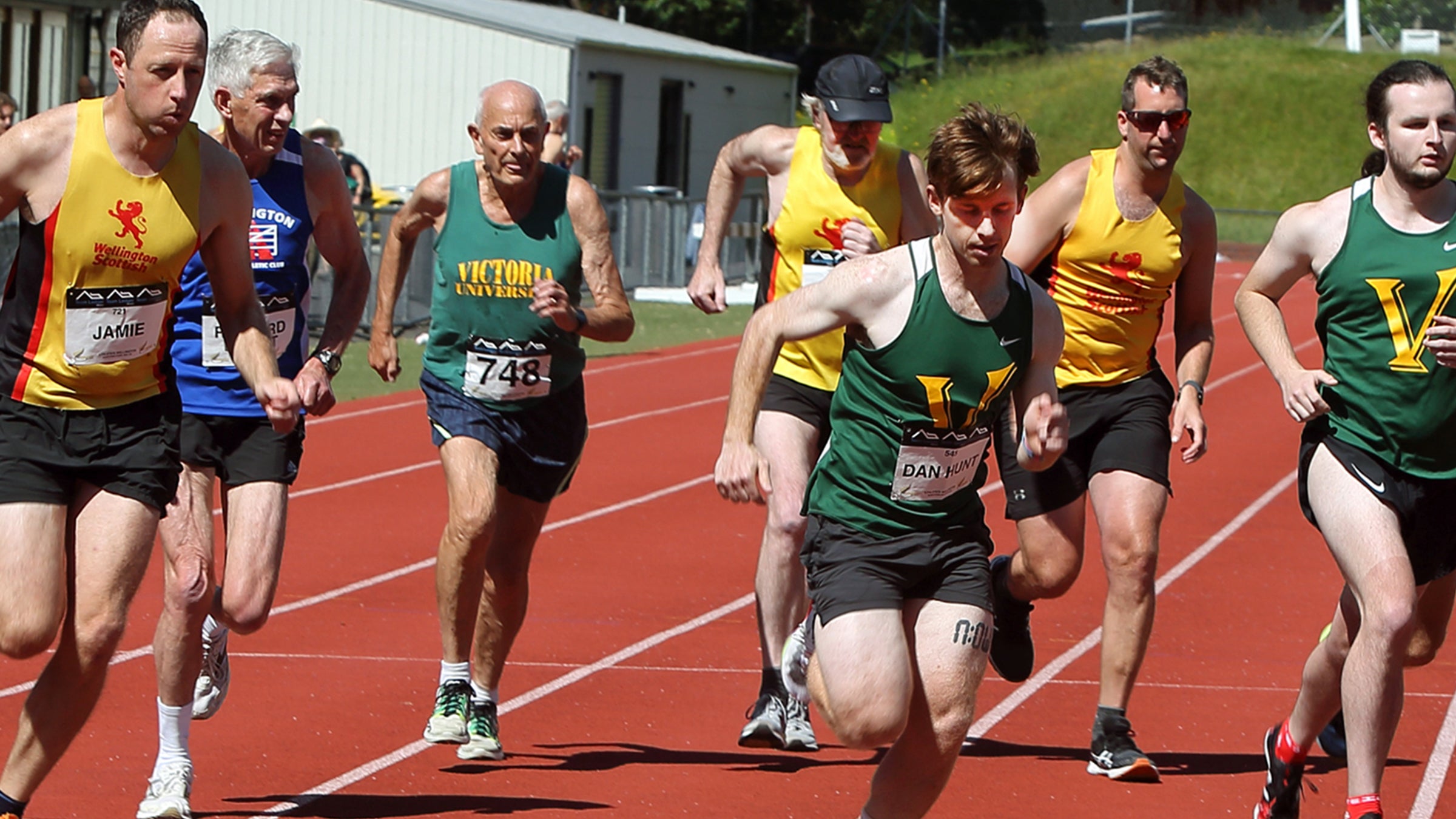
https://www.researchgate.net/publication/384884853_Running_past_Fifty_The_Habit_and_Joy_of_Movement“Running past Fifty: The Habit and Joy of Movement.” It asks the basic question: Why do some runners keep running into older age and slower performances?
After all, as University of Georgia professor James Dowd writes: “The reality of aging is clearly evident. Older runners are slower, less vigorous, and without the striking beauty of the young.”
Across the population at large, older individuals are viewed as “nice but incompetent.”
Dowd finds two principal reasons to explain persistent, older runners: 1) Running has become a habit for them, and thus a “foundational part of their identity;” and 2) Running brings them “joy and a sense of profound well-being.”
And,
one of the joys of being a long-term runner is that every season is an experiment, a new experience. Year by year, you test your changing body, your mind’s ingenuity, and your spirit’s resilience against each inevitable stage of getting older. Those who choose to retire at their peak may think they evade the losses time brings, but they can only look back, not forward. They miss this ongoing journey, which truly is an exploration of the whole of life, its last 6.2 miles as well as the first 20.