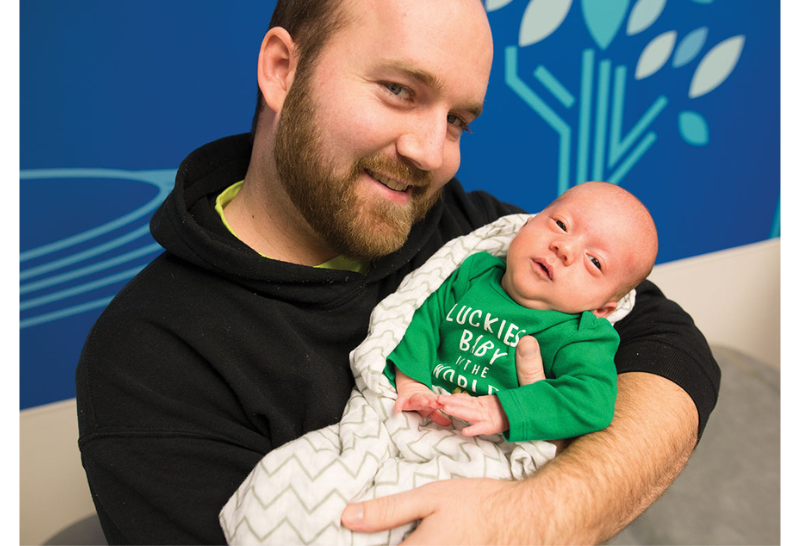
You have been together for 1.5 years, you think you have found your life partner, and you haven't proposed to her? Lots of contradictions here. Rather than worry about her fertility, I recommend worrying about your own problems.
I am in my late 30s and started dating a woman a couple years older than me about 1.5 years ago. We were both recently out of serious relationships (marriage for her) and were both viewing this as something light and fun and probably temporary, no expectations really. However, our relationship has grown tremendously over the last probably 8-9 months, and she has openly told me she wants to have my babies. I feel like I have found a life partner in her, and if she was even 5 years younger, this would be a total no-brainer as she is a great partner, and we both feel like this is the best, easiest, and healthiest relationship either of us have had.
However, if I am being honest, I am very hesitant to try to have a baby with a woman 40+ years old. Even if it happens, the risk of birth defects is much higher, and I know I would not want to have a child with DS or full blown autism etc. Anyone here have a kid at this age or know someone who did? How did it go?
I can think of 8 friends who have had children (some multiple) when they were between the ages of 38-43. I'm sure I've met a bunch more.
it's generally fine if the mother is healthy without predispositions to health issues.
Our daughter and husband have been married 17 years. They decided to have a child at her age 39 years. She underwent testing thru a fertility specialist, had one miscarriage, and now halfway through what appears to be a normal pregnancy.
Don’t worry about it. The largest impact from having a baby is that life as you know it is over. Running? No, you’ll be too tired. Vacation? No, you will not enjoy it. TV time? No, the baby will scream. Sleep? No, forget about it
So termination of the less desirable is ok with you? Asking for a German friend.
Just my experience wrote:
Never called anyone a nazi.
Sure, my bad. You genuinely asked an innocent question for your eugenist “German friend”. May I suggest you to pick better friends? Real Germans will appreciate.
If you don’t have that true unconditional love, then you shouldn’t start a family.
Is it possible to know whether you'll "have that unconditional love" before the baby is born?
That’s a good point. There might be hints suggesting that you will or won’t have it, but it might result quite different in either way once your child is born. Reason why I wouldn’t judge too hastily the original poster for expressing his concerns.
Re Down syndrome: all women in the US pregnant with singletons or twins are now offered and advised to get a NIPT blood test very early in pregnancy to screen for fetal chromosome abnormalities including the one that causes DS.
The NIPT blood test analyzes fetal DNA in a pregnant woman’s serum from a sample of blood drawn from her arm in the standard way. The NIPT can performed as early as the 9th week of pregnancy, though most women usually get it a bit later.
The basic NIPT blood test screens fetuses for Trisomy 21 (Down syndrome), Trisomy 18 (Edwards syndrome) and Trisomy 13 (Palau syndrome). The basic NIPT also analyzes fetal DNA to find out the sex of the fetus and to check for unusual sex chromosome patterns such as 45,X0 (Turner syndrome); 47,XXX (Triple X syndrome); 47;XXY (Klinefelter syndrome); 47,XYY (Jacob’s syndrome); and 48,XXYY.
Developed in the early 2000s and introduced for widespread commercial use in 2011, the NIPT blood test originally was recommended only for women at high risk of birth defects because of their age (35 and up) or family or personal health history. But since 2020, the American College of Obstetricians and Gynecologists has recommended that all pregnant women in the US get the NIPT early in pregnancy regardless of their age and risk profile.
Use of the NIPT is increasing each year, with especially high rates of uptake in the USA and certain countries n Europe like Belgium.
In 2019, 49% of pregnant women in the US had the NIPT blood test. In 2022, 55-60% of pregnant women in the US had the NIPT.
The majority of private and public health insurance plans in the US cover the NIPT blood test and the various other kinds of prenatal diagnostic testing that are in wide use in much of the world nowadays. ——————————————————————————————————
As for autism: the causes of autism are extremely complex and not yet fully understood. 200 to 1,000 different genes have been identified as definitely or potentially involved in autism. 80% of cases of autism are believed to be the result of genetic inheritance.
But the research that’s been done to date indicates that when autism is due to genetic inheritance, fathers appear to contribute more of the genetic material involved in autism than mothers do.
When autism is due to di novo mutations of genes that occur after fertilization, rather than gene mutations inherited from one or both of the parents, the greatest risk appears to come from the father being of advanced age.
So termination of the less desirable is ok with you? Asking for a German friend.
I didn't mention termination at all, much less "termination of the less desirable." You're the one who brought up termination - not me. And you're the one who's suggested that offspring with certain conditions are "less desirable" - not me.
I'm not going to deny that when prenatal DNA testing reveals a condition like Down syndrome, a great many women/couples will opt to terminate the pregnancy.
But at the same time, a great many women undergo prenatal testing in order to find out if further and more invasive and risky testing through CVS or amnio is necessary. And so that if they have a child with a serious chromosomal or genetic health condition, they know exactly what they're getting into they have maximum time to "get their ducks in a row" so to speak and obtain counseling, education and make preparations to insure that their baby will have the best care at birth. Or in some cases, the best health care even prior to birth, as some health conditions that can be and are diagnosed prenatally like hemophilia and heart defects also can be treated or managed prenatally.
Also, the fact is that the vast majority of women who undergo fetal DNA screening and other prenatal diagnostic testing get normal results. What motivates most women to get prenatal screening and diagnostic testing is not a devil-may-care desire to have a termination - a process that for many women s heatrwrenching and heartbreaking, especialy in the case of wanted pregnancies. What motivates most women to get prenatal screening is also not an ableist desire to enage in "termination of the less desirable" so as to rid the earth of people with certain kinds of characertics like the Nazis aimed to do.
What motivates most pregnant women to get prenatal screening is the wish and hope that they will learn that their fetus is fine so they can go through the many long months of the rest of pregnancy and the ardors of labor and childbirth without constantly being wracked with worry and losing sleep over all the things that might be wrong with the fetus.
Going through a fullterm pregnancy takes many months and it takes a whole lot out of women. A pregnancy typically entails a host of inconveniences and hardships for women that most men have no idea about - and many men wouldn't be able to handle if they had to deal with them. Then at the end of the long haul of pregnancy, women have to go through human labor and childbirth. Human labor and childbirth are scary, bloody and sometimes downright gruesome processes which typicaly involve enormous rigors and tremendous pain, indeed agony for the women going through them - and almost always require women to put in a great deal of blood sweat and tears and exercise enormous willpower and strength, Human labor and childbrith always entail real and present dangers that put women's own physicall health and mental wellbeing at risk, and can result in women losing their own lives.
If you're against prenatal screening and diagnostic testing, it means you don't think advanced medical technology should be used to enable women to get through pregnancy, labor and childbirth without being wracked with anxiety over what might be wrong with the children they're hoping to bring into the world.
This post was edited 14 minutes after it was posted.
I am in my late 30s and started dating a woman a couple years older than me about 1.5 years ago. We were both recently out of serious relationships (marriage for her) and were both viewing this as something light and fun and probably temporary, no expectations really. However, our relationship has grown tremendously over the last probably 8-9 months, and she has openly told me she wants to have my babies. I feel like I have found a life partner in her, and if she was even 5 years younger, this would be a total no-brainer as she is a great partner, and we both feel like this is the best, easiest, and healthiest relationship either of us have had.
However, if I am being honest, I am very hesitant to try to have a baby with a woman 40+ years old. Even if it happens, the risk of birth defects is much higher, and I know I would not want to have a child with DS or full blown autism etc. Anyone here have a kid at this age or know someone who did? How did it go?
Look. This is really complex. Lots of variables where someone else's experience is not going to be helpful.
You and the woman should talk with a genetic counselor who can guide you better than folks on a running website message board.
The risk factors can be identified and then you two can weigh the risks.
Our daughter and husband have been married 17 years. They decided to have a child at her age 39 years. She underwent testing thru a fertility specialist, had one miscarriage, and now halfway through what appears to be a normal pregnancy.
I sent a link to this thread to our daughter. This is how she responded:
“Ha, this was the kind of stuff I was reading a year ago and it freaked me out! Aged 45 most women are probably sterile. Before then, I think most people will have success, although you might have a few miscarriages along with way. Autism is a concern but is not really well studied and so hard to predict. Down syndrome is easily tested for, but Downs people have good lives nowadays.”
I had a baby when I was 39, almost 40. After two nominal pregnancies at 32 and 34, in this pregnancy, I had gestational diabetes, postpartum hemorrhage, preeclampsia and postpartum hypertension and other complications. I delivered (naturally) at 36 weeks, and my baby spend 2 weeks in the hospital and needed a feeding tube for over a month. I myself was so weak after birth that I could barely walk across the room to the bathroom for the first couple weeks. It would take me an hour to recover after that 10-15 foot walk there and back.
Five years later, you could never imagine that either my daughter or I went through that. Thanks to modern medicine, we both fully recovered, and she is just as robust as my other two kids.
My sister had her two babies at 39 and 41. They had to use IVF to conceive but had no other issues - healthy pregnancies and babies.
So yes, there are risks to having babies at 35 and moreso after 40. Every year counts. There is a big difference between 37, 39, 41 and 43. It often all works out, but not always.
I am in my late 30s and started dating a woman a couple years older than me about 1.5 years ago. We were both recently out of serious relationships (marriage for her) and were both viewing this as something light and fun and probably temporary, no expectations really. However, our relationship has grown tremendously over the last probably 8-9 months, and she has openly told me she wants to have my babies. I feel like I have found a life partner in her, and if she was even 5 years younger, this would be a total no-brainer as she is a great partner, and we both feel like this is the best, easiest, and healthiest relationship either of us have had.
However, if I am being honest, I am very hesitant to try to have a baby with a woman 40+ years old. Even if it happens, the risk of birth defects is much higher, and I know I would not want to have a child with DS or full blown autism etc. Anyone here have a kid at this age or know someone who did? How did it go?
I knew someone whose parents average age was 41 (I think mother was 39 and father was 43). The way he tells it is that the doctors said there was a high likelihood the child had Down syndrome (though I'm not sure what he meant by 'high' - but certainly higher than average) until they got it tested. He's also probably the single smartest person I know
I'lll have to google more, but I think having older parents leads to extremes being more likely, both good and bad
"high likelihood" is really problematic verbiage. To me I would be thinking 50/50 when it is not anywhere close to that. At 41 is 1/60 pregnancies at week 16 will have Down's syndrome (1/85 born---cannot tell if the drop is due to miscarriage or abortion). Is 1/100 (1/140) at age 39. So an increase, but I would not call it "high" likelihood.
This is such a despicable comment. RunRagged just posted some factual information. Let the potential parents make an informed decision, which is tricky enough to take without being called a nazi if you opt for an early abortion.
Never called anyone a nazi. What is despicable is suggesting that opting for an early abortion is the right/best thing. I only offered another view for reflection. Is terminating a pregnancy JUST because the future potential is not what the parent wants/thinks. Test CAN be wrong. When my wife was pregnant with our second child, a routine test made Dr tell us she would have Spina Bifida and made suggestions
guess what, test and drs were wrong. My daughter is completely fine physically and mentally. Currently a double engineering major and mathematics minor at one of the best U.S. colleges. Oh yeah, playing sport at a D1 school
If a doctor really told you and your wife that your child would have spina bifida based on "a routine test" and nothing more, then the doctor was way out line.
If routine screening or testing like a standard prenatal ultrasound done in the second trimester or a maternal blood test indicate the possibility of spina bifida, then the next step is more rigorous diagnostic testing through advanced ultrasound and/or amniocentesis (or CVS in the case of early screening like the NIPT). And a team of HCPs would be involved, including specialists in advanced prenatal ultrasound, a genetics counselor and specialists in spina bifida and treatment of spina bifida.
Although you say that that this one doctor "made suggestions," I find it telling that you don't say exactly what the suggestions were. Why so cagey about what the doctor actually suggested that you and your wife do?
But since you've revealed that the child your wife was pregnant with is now an undergrad at a D1 college/university, I'm going to hazard the guess that the child was born in the last 18-21 years. Meaning your partner was pregnant with this child at a time when there were sophisticated, advanced methods available not just to diagnose spina bifida prenatally, but to get a pretty good idea of the extent of the spinal cord involvement and damage - AND after surgery on fetuses to repair spina bifada before birth first became "a thing" in the US starting in 1997 and 1998.
Spina bifida is a condition that affects the spine during the growth and development of a fetus. As the brain and spinal column begin to form, a portion of the spine doesn’t close completely. The resulting opening in the spine leaves the spinal cord and nerves exposed. In the most severe form of spina bifida, called myelomeningocele, a portion of the spinal cord and its nerves protrude from this opening.
In 1997, the first prenatal surgery to repair spina bifida complications—done while the fetus was in the uterus—took place at Vanderbilt University Medical Center. Similar surgeries were subsequently performed at a few, select medical institutions in the U.S.
Before the 1990s, treatment for severe spina bifida involved postnatal surgery—a procedure performed on a newborn after delivery. Though it closed the spinal cord to help prevent infection—and could treat hydrocephalus with a shunt to drain fluid—the procedure could not repair already damaged nerves. Consequently, children born with spina bifida faced a number of complications as they grew.
By Stephanie Stemmler Spina bifida is a condition that affects the spine during the growth and development of a fetus. As the brain and spinal column begin to form, a portion of the spine doesn’t close completely. The resulti...
The first attempt at fetal repair of spina bifida in humans was in 1994 using a fetoscopic approach. This was abandoned because of high loss rates and maternal complications. The first open fetal repair was in 1998. A number of case series followed, primarily in the USA, and by 2003 over 200 fetuses had undergone open repair of spina bifida with generally encouraging results.
A multi-centre, randomised control clinical trial (the “MOMS” trial) comparing outcomes after fetal and postnatal surgery began in 2003
If a doctor really did tell you and your wife that the child you were expecting "would have Spina Bifida," and you really thought there was a serious chance the doctor was telling the truth, why didn't you try to find out for sure? Or at least get a second opinion?
Just as second opinions have traditionally been the norm in most areas of modern medicine where diagnostic errors can and do occur and difficult, irreversible decisions have to be made, it's always been recommended and routine that pregnant women and their partners grappling with a prenatal diagnosis of a fetal health condition as serious as spina bifida consult with a bunch of HCPs - including specialists in prenatal and pediatric neurology and prenatal and neonatal surgery, and at least one genetic counselors. This is is so that they can get 1) confirmation of the diagnosis and make sure it's as ironclad and certain as possible; 2) obtain as much information as posible s about the extent of the spinal cord involvement and damage in this particular case; 3) make sure they understand the likely short-term and longterm outcomes and consequences for child, the mother, and the family; 4) explore and carefully weigh all the options before deciding what to do; 5) get the advice of close family, friends and clergy, if they see fit; 5) get the best medical team on board to be at the ready to provide the fetus and baby with the best possible care from the start if they continue with the pregnancy; 6) prepare themselves and the rest of the family for what's to come.
This post was edited 5 minutes after it was posted.
In the DC area, no women have babies before they're 35. As long the woman is healthy, she certainly can give birth safely in her early 40s. It might take long to get pregnant than if she was in 20s and 30s though.
He's twenty eight and works as a researcher at an Ivy League university, was just admitted to a couple doctoral programs, both of which will give him money, and has run marathons well under 2:40. Now please don't disappoint me by failing to say that these things are evidence of a mental disability.
Lol, I was being sarcastic, poking fun at your wording “continues to be fine”. If there was any risk for a mental disability it would have shown up long ago.
another example why sarcasm never works over the internet.
Sorry I missed it. It was actually pretty decent sarcasm but no, the internet isn't a good medium for it.
In the DC area, no women have babies before they're 35. As long the woman is healthy, she certainly can give birth safely in her early 40s. It might take long to get pregnant than if she was in 20s and 30s though.
When I was teaching there loads of girls were having babies before they were 18.
So termination of the less desirable is ok with you? Asking for a German friend.
I didn't mention termination at all, much less "termination of the less desirable." You're the one who brought up termination - not me. And you're the one who's suggested that offspring with certain conditions are "less desirable" - not me.
I'm not going to deny that when prenatal DNA testing reveals a condition like Down syndrome, a great many women/couples will opt to terminate the pregnancy.
But at the same time, a great many women undergo prenatal testing in order to find out if further and more invasive and risky testing through CVS or amnio is necessary. And so that if they have a child with a serious chromosomal or genetic health condition, they know exactly what they're getting into they have maximum time to "get their ducks in a row" so to speak and obtain counseling, education and make preparations to insure that their baby will have the best care at birth. Or in some cases, the best health care even prior to birth, as some health conditions that can be and are diagnosed prenatally like hemophilia and heart defects also can be treated or managed prenatally.
Also, the fact is that the vast majority of women who undergo fetal DNA screening and other prenatal diagnostic testing get normal results. What motivates most women to get prenatal screening and diagnostic testing is not a devil-may-care desire to have a termination - a process that for many women s heatrwrenching and heartbreaking, especialy in the case of wanted pregnancies. What motivates most women to get prenatal screening is also not an ableist desire to enage in "termination of the less desirable" so as to rid the earth of people with certain kinds of characertics like the Nazis aimed to do.
What motivates most pregnant women to get prenatal screening is the wish and hope that they will learn that their fetus is fine so they can go through the many long months of the rest of pregnancy and the ardors of labor and childbirth without constantly being wracked with worry and losing sleep over all the things that might be wrong with the fetus.
Going through a fullterm pregnancy takes many months and it takes a whole lot out of women. A pregnancy typically entails a host of inconveniences and hardships for women that most men have no idea about - and many men wouldn't be able to handle if they had to deal with them. Then at the end of the long haul of pregnancy, women have to go through human labor and childbirth. Human labor and childbirth are scary, bloody and sometimes downright gruesome processes which typicaly involve enormous rigors and tremendous pain, indeed agony for the women going through them - and almost always require women to put in a great deal of blood sweat and tears and exercise enormous willpower and strength, Human labor and childbrith always entail real and present dangers that put women's own physicall health and mental wellbeing at risk, and can result in women losing their own lives.
If you're against prenatal screening and diagnostic testing, it means you don't think advanced medical technology should be used to enable women to get through pregnancy, labor and childbirth without being wracked with anxiety over what might be wrong with the children they're hoping to bring into the world.
Never called anyone a nazi. What is despicable is suggesting that opting for an early abortion is the right/best thing. I only offered another view for reflection. Is terminating a pregnancy JUST because the future potential is not what the parent wants/thinks. Test CAN be wrong. When my wife was pregnant with our second child, a routine test made Dr tell us she would have Spina Bifida and made suggestions
guess what, test and drs were wrong. My daughter is completely fine physically and mentally. Currently a double engineering major and mathematics minor at one of the best U.S. colleges. Oh yeah, playing sport at a D1 school
If a doctor really told you and your wife that your child would have spina bifida based on "a routine test" and nothing more, then the doctor was way out line.
If routine screening or testing like a standard prenatal ultrasound done in the second trimester or a maternal blood test indicate the possibility of spina bifida, then the next step is more rigorous diagnostic testing through advanced ultrasound and/or amniocentesis (or CVS in the case of early screening like the NIPT). And a team of HCPs would be involved, including specialists in advanced prenatal ultrasound, a genetics counselor and specialists in spina bifida and treatment of spina bifida.
Although you say that that this one doctor "made suggestions," I find it telling that you don't say exactly what the suggestions were. Why so cagey about what the doctor actually suggested that you and your wife do?
But since you've revealed that the child your wife was pregnant with is now an undergrad at a D1 college/university, I'm going to hazard the guess that the child was born in the last 18-21 years. Meaning your partner was pregnant with this child at a time when there were sophisticated, advanced methods available not just to diagnose spina bifida prenatally, but to get a pretty good idea of the extent of the spinal cord involvement and damage - AND after surgery on fetuses to repair spina bifada before birth first became "a thing" in the US starting in 1997 and 1998.
Spina bifida is a condition that affects the spine during the growth and development of a fetus. As the brain and spinal column begin to form, a portion of the spine doesn’t close completely. The resulting opening in the spine leaves the spinal cord and nerves exposed. In the most severe form of spina bifida, called myelomeningocele, a portion of the spinal cord and its nerves protrude from this opening.
In 1997, the first prenatal surgery to repair spina bifida complications—done while the fetus was in the uterus—took place at Vanderbilt University Medical Center. Similar surgeries were subsequently performed at a few, select medical institutions in the U.S.
Before the 1990s, treatment for severe spina bifida involved postnatal surgery—a procedure performed on a newborn after delivery. Though it closed the spinal cord to help prevent infection—and could treat hydrocephalus with a shunt to drain fluid—the procedure could not repair already damaged nerves. Consequently, children born with spina bifida faced a number of complications as they grew.
The first attempt at fetal repair of spina bifida in humans was in 1994 using a fetoscopic approach. This was abandoned because of high loss rates and maternal complications. The first open fetal repair was in 1998. A number of case series followed, primarily in the USA, and by 2003 over 200 fetuses had undergone open repair of spina bifida with generally encouraging results.
A multi-centre, randomised control clinical trial (the “MOMS” trial) comparing outcomes after fetal and postnatal surgery began in 2003
If a doctor really did tell you and your wife that the child you were expecting "would have Spina Bifida," and you really thought there was a serious chance the doctor was telling the truth, why didn't you try to find out for sure? Or at least get a second opinion?
Just as second opinions have traditionally been the norm in most areas of modern medicine where diagnostic errors can and do occur and difficult, irreversible decisions have to be made, it's always been recommended and routine that pregnant women and their partners grappling with a prenatal diagnosis of a fetal health condition as serious as spina bifida consult with a bunch of HCPs - including specialists in prenatal and pediatric neurology and prenatal and neonatal surgery, and at least one genetic counselors. This is is so that they can get 1) confirmation of the diagnosis and make sure it's as ironclad and certain as possible; 2) obtain as much information as posible s about the extent of the spinal cord involvement and damage in this particular case; 3) make sure they understand the likely short-term and longterm outcomes and consequences for child, the mother, and the family; 4) explore and carefully weigh all the options before deciding what to do; 5) get the advice of close family, friends and clergy, if they see fit; 5) get the best medical team on board to be at the ready to provide the fetus and baby with the best possible care from the start if they continue with the pregnancy; 6) prepare themselves and the rest of the family for what's to come.
Not being cagey at all. Obvious what dr suggested. We did go for additional and more complex testing BUT we’re absolutely committed to keeping our child no matter what. It was the most anxiety filled time of my live
I didn't mention termination at all, much less "termination of the less desirable." You're the one who brought up termination - not me. And you're the one who's suggested that offspring with certain conditions are "less desirable" - not me.
I'm not going to deny that when prenatal DNA testing reveals a condition like Down syndrome, a great many women/couples will opt to terminate the pregnancy.
But at the same time, a great many women undergo prenatal testing in order to find out if further and more invasive and risky testing through CVS or amnio is necessary. And so that if they have a child with a serious chromosomal or genetic health condition, they know exactly what they're getting into they have maximum time to "get their ducks in a row" so to speak and obtain counseling, education and make preparations to insure that their baby will have the best care at birth. Or in some cases, the best health care even prior to birth, as some health conditions that can be and are diagnosed prenatally like hemophilia and heart defects also can be treated or managed prenatally.
Also, the fact is that the vast majority of women who undergo fetal DNA screening and other prenatal diagnostic testing get normal results. What motivates most women to get prenatal screening and diagnostic testing is not a devil-may-care desire to have a termination - a process that for many women s heatrwrenching and heartbreaking, especialy in the case of wanted pregnancies. What motivates most women to get prenatal screening is also not an ableist desire to enage in "termination of the less desirable" so as to rid the earth of people with certain kinds of characertics like the Nazis aimed to do.
What motivates most pregnant women to get prenatal screening is the wish and hope that they will learn that their fetus is fine so they can go through the many long months of the rest of pregnancy and the ardors of labor and childbirth without constantly being wracked with worry and losing sleep over all the things that might be wrong with the fetus.
Going through a fullterm pregnancy takes many months and it takes a whole lot out of women. A pregnancy typically entails a host of inconveniences and hardships for women that most men have no idea about - and many men wouldn't be able to handle if they had to deal with them. Then at the end of the long haul of pregnancy, women have to go through human labor and childbirth. Human labor and childbirth are scary, bloody and sometimes downright gruesome processes which typicaly involve enormous rigors and tremendous pain, indeed agony for the women going through them - and almost always require women to put in a great deal of blood sweat and tears and exercise enormous willpower and strength, Human labor and childbrith always entail real and present dangers that put women's own physicall health and mental wellbeing at risk, and can result in women losing their own lives.
If you're against prenatal screening and diagnostic testing, it means you don't think advanced medical technology should be used to enable women to get through pregnancy, labor and childbirth without being wracked with anxiety over what might be wrong with the children they're hoping to bring into the world.
Stop playing games. It’s apparent what you meant
No, you stop playing games. What I meant in the first post I made on this thread (now #29) is is exactly what I stated. My post contained factual information about two topcs:
1) the sort of prenatal screening that is commonplace and increasingly the norm in the US nowadays that would let OP and his partner know for certain as early as 9 weeks of pregnancy whether a child with Down syndrome is something that in this particular pregnancy they have to worry about, be concerned with, study up on, seek further advice about, grapple with, face up to, lose sleep over, argue about, pray over, get counseling about, accept or reject, prepare for, and/or let the rest of the family prepare for;
2) the etiology of autism; the apparently greater genetic contribution of fathers over mothers in cases of autism that are caused by mutations inherited from the parents; and in cases of autism that's caused by di novo mutations, the the risks going up more often and more dramatically because of advanced age of the fathers than older age of the mothers.
Then after I gave all that detailed information in a neutral manner, you came along and made a snarky post - #31 - that said in full, "So termination of the less desirable is ok with you? Asking for a German friend."
When the reality is that I never ever mentioned "termination", much less "termination of the less desirable." All that is solely in your own head. It's not what I wrote.
Upon reading my post, you came up with a narrow-minded, hostile, knee-jerk interpretation apparently borne out of your own biases, limited life experience, paucity of imagination and lack of empathy for what pregnant women go through in real life as opposed to in your own fantasies. Then you proceeded to projecting your own mental musings onto me by going full-tilt on the mansplaining mode and telling me and others that you know what I really ment.
After Old Dad said your reponse to what I posted was "despicable" you came back with:
What is despicable is suggesting that opting for an early abortion is the right/best thing. I only offered another view for reflection. Is terminating a pregnancy JUST because the future potential is not what the parent wants/thinks.
And now you're doubling down by dialing up the mainsplaining even more and telling me:
Stop playing games. It’s apparent what you meant.
You have no idea what I meant, obviously. You come across to me as just another know-it-all blowhard bloke with an axe to grind against women who believes himself to be some kind of high-and-mighty moral authority with infallible insight into all things related to women, what we think, what we go through during pregnancy, and what motivates us to get prenatal screening and testing. But in my view, you don't have a clue.
This post was edited 4 minutes after it was posted.
Help us build the best running shoe review site for a chance to win a LetsRun t-shirt.Help us build the best running shoe review site for a chance to win one of 10 LetsRun t-shirts.