-
40
-
LetsMarathon wrote:
Just cut out as much of the following as possible:
1. Dairy
2. Sugar
3. Wheat Flour
add as much of those as reasonable
1. Vegetables
2. lean meat
3. probiotic foods (kimchi, sauerkraut, non-dairy yogurt
is there solid evidence that probiotic foods are actually beneficial to any meaningful level?
30 -
seattle prattle wrote:
LetsMarathon wrote:
Just cut out as much of the following as possible:
1. Dairy
2. Sugar
3. Wheat Flour
add as much of those as reasonable
1. Vegetables
2. lean meat
3. probiotic foods (kimchi, sauerkraut, non-dairy yogurt
is there solid evidence that probiotic foods are actually beneficial to any meaningful level?
41 -
LetsMarathon wrote:
seattle prattle wrote:
is there solid evidence that probiotic foods are actually beneficial to any meaningful level?
I must say that cup in the thumbnail looks like semi-solid evidence.
60 -
greekmyth wrote:
What's your beef with dairy? Some people can't process it well but some people can. Do you think no-one should consume it?
The OP wrote that he has gastritis/Gerd. Dairy can produce excessive acidity. People with stomach conditions are often told to limit the amount of dairy.
41 -
Contrary to your username, an occasional burger is fine if you do like this.
No fries, shake, or other sugar beverage. Have it with a side salad if you can.
No mayo, cheese, or bacon.
Put tomatoes and lettuce on it. Avocado too if that’s an option.
Check the nutrition facts. Once you ditch the fries, soda/shake, bacon, and cheese, it’s not really bad for you.
24 -
LMAO. I maybe burn 2,500-3,000 calories running 90mpw at an avg pace of 7:00.
But I don't eat a crapton and its all healthy save for the offseason. I've never had an issue of being hungry or low energy during runs.
You're vastly overestimating your caloric needs.
82 -
Seefood diet wrote:
Flagpole wrote:
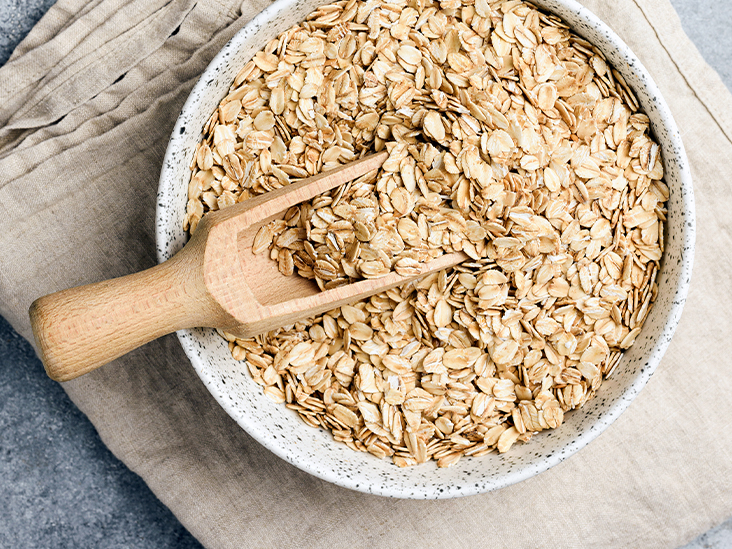
I'll let you do your own research and decide who you believe, because there IS debate there. I will submit to you though that oatmeal=good is older advice.
Some things about oatmeal:
1) Oats contain phytic acid. Look that up. Phytic acid is an antinutrient that is known to interfere with the absorption of vitamins and minerals.
2) All grains spike blood sugar to different degrees with the worst being today's wheat (even whole wheat). So, wheat is worse than oatmeal, but oatmeal isn't necessarily good.
3) To help prevent blood sugar spikes when eating grains or sugar, you should incorporate protein and fat as part of that consumption or even before the consumption. See here - https://www.medicalnewstoday.com/articles/295901#:~:text=In%20a%20new%20study%2C%20researchers,insulin%20levels%20in%20obese%20people. Seems weird, but you can find a LOT out there with a Google search about eating protein before carbs and how it really does affect glucose spikes.
4) On a slightly different topic, EGGS are good for you. Best to make them without butter or oil (unless it is olive oil), but they are good sources of protein. Eggs were the enemy in the 70s, but that nonsense has come around. One of the things that got people thinking differently about eggs is studying people who ate an incredible number of eggs every day. I have seen several stories like this, and all of them result in a person with low cholesterol. Here's one story -Sorry brother, not buying it. I eat all of those things and I feel very strong and healthy.
Dietary requirements are very individual. I thinks it's wrong for dietary researchers to jump to conclusions quickly. Phytic acid surely acts as both an antioxidant and a natural laxative. If it was really blocking my iron and zinc absorption, surely I would have noticed by now?
Ok. You just go on believing that oatmeal is good for you just because you have always thought that. I DO agree that dietary requirements are very individual. Some people have issues absorbing certain vitamins and minerals (B6 is common there). Some people absorb more than the norm. Also, I never said oatmeal might cause you to have a problem with low iron or zinc. Depends on how often you eat it, what you eat at other times of the day, etc. It's just not really the great thing that many have thought now for decades.
111 -
“All I want to do is drink beer and train like an animal.” - Rod Dixon
81 -
Flagpole wrote:
Seefood diet wrote:
Sorry brother, not buying it. I eat all of those things and I feel very strong and healthy.
Dietary requirements are very individual. I thinks it's wrong for dietary researchers to jump to conclusions quickly. Phytic acid surely acts as both an antioxidant and a natural laxative. If it was really blocking my iron and zinc absorption, surely I would have noticed by now?
Ok. You just go on believing that oatmeal is good for you just because you have always thought that. I DO agree that dietary requirements are very individual. Some people have issues absorbing certain vitamins and minerals (B6 is common there). Some people absorb more than the norm. Also, I never said oatmeal might cause you to have a problem with low iron or zinc. Depends on how often you eat it, what you eat at other times of the day, etc. It's just not really the great thing that many have thought now for decades.
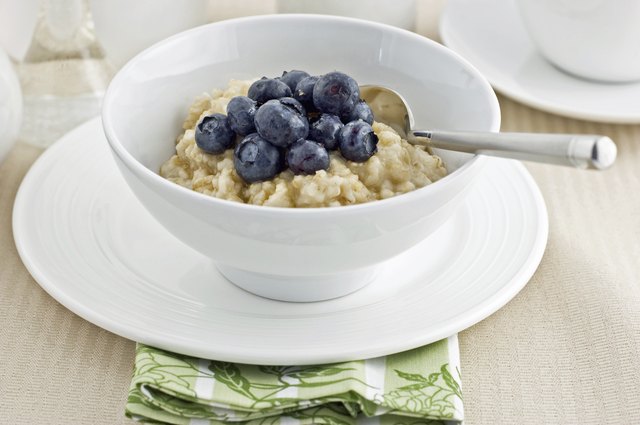
I looked into this more. Oatmeal causes insulin spikes only in so far as instant oatmeal is concerned. Steel cut and old fashioned oats are significantly lower in this regard, and there is no need to avoid them unless someone has some unusual health profile, which could be said for any food, for that matter. Oats are a healthy food and while what you said may apply to the processed version of oats, it is easily avoided by steering towards the healthier versions, though you are spot on about adding other things to it like fats or protein to slow insulin uptake even more.
But don't take our word for it. From Livestrong.com:
"Although most oatmeal varieties, such as steel cut or old-fashioned oats, do not significantly elevate blood-glucose levels, the ingredients found in instant oatmeal may cause insulin levels to spike. Instant oatmeal sometimes contains sugar or sweetened dried fruits that may impact the rate at which insulin is released. The glycemic index rating of instant oatmeal is between 69 and 83, more than 10 glycemic points higher than old-fashioned oats. Incorporating protein, such as soy milk or almond butter, to the oatmeal may help to reduce its glycemic index and regulate insulin levels."
43 -
I also had lots of stomach troubles (pretty much on a daily basis) and was very sensitive to certain types of food, but noticed that these issues have seemed to subside after building back up mileage after some time away from consistent running (knock on wood).
So I cannot be so helpful on the first point, but will say that in general, even only running ~50mpw, I need to consume just under 5000Cal everyday in order to not lose weight . When I was running even less and having more prominent stomach issues, this would have seemed daunting. But now if I'm only taking in 3-4000Cal I am going to be going to bed hungry. So for me at least, the caloric intake was made infinitely easier by first increasing my body's demand for the energy. Maybe that will benefit you too. I have found pure caloric intake and sleep to be the two most major factors for my recovery and day-to-day feelings of health.
In terms of specifics I have nothing revelatory, but here is what has worked for me:
- Very consistent diet. I usually cook twice a week to cover all my breakfasts and lunches.
- Frequent snacks. One really calorically dense option is GORP or other trail mix. Three or 4 handfuls will give you 750+ calories, plus some nuts are known to have helpful GI effects. For me, snacking has turned what would be three giant meals into 2 large meals and 4 smaller meals, spread out throughout the day.
- Decrease (excessive) water intake. I found that I was drinking almost compulsively from my water bottle throughout the day, and only drinking water. This decreased my appetite and ironically made me more prone to feeling run down and dehydrated since I would easily sweat everything out. I still drink plenty of water, but now I also add in like a small Gatorade; the added sugar at my caloric intake is not much relative to the benefit I get from electrolytes and salt. To your point about GERD, I also found that having sips of a carbonated drink (think like 4oz of ginger ale) after a run has helped prevent symptoms in my case.
- Variety. Depending on where you look for nutritional info, everything under the sun is either demonized or celebrated. I think there is a lot of wisdom in simplicity and balance (i.e. don't restrict certain macros or food groups).
- Toppings. It seems stupid but it can help add up. I butter my bagel in the morning, throw salad dressing on my chicken, mix in rice with my salad, put seeds and granola in my yogurt, throw raspberries and blueberries in my oatmeal, etc.
Good luck with the health stuff and hope this helps!
72 -
Very busy schedule.
1) Quest peanut butter protein bar in am 190-200 cal
2) Organ protein 150 cal but I put in 48 ml of water afternoon
3) big salad and a meat. 2 chicken breasts or large fish filet, or 8 oz filet or 12 oz nY strip.
4) pretzels or cheez it’s at night.
Late 40’s run 5-8 miles day. 155-165 lbs
Occasionally once week will eat a full personal pizza.
No donuts, no soda, no cookies.
20 -
NoBigMacsPlease wrote:
I'm bumping up my mileage to a pathetic 25 MPW, but even then I need in excess of 3,000 calories for the days I run. How do you guys doing far more than that get your calorie needs met in a healthy way?
I have gastritis/GERD, so I can't just wolf down food after a run. In any case, I can't see eating four or five 1,000 calorie meals a day could be healthy for anyone's digestive tract, unless it's done in an intelligent way. Nick Willis said that he eats all the pizzas and ice cream he wants, because he burns it all off, but it can't be good for him if he's doing it every day.
Anybody got any suggestions for high calorie nutritious foods that are easy to digest?
LENTILS
10 -
Since you have trouble eating large meals, I suggest eating these throughout the day:
10 -
Calories are just a social construct.
31 -
There seems to be an issue if you need 3000 calories on 25 mpw. Have you got yourself tested for worms infestation in the gut/intestines/stomach?
11 -
Cheesburger, no fries
Steak
Tuna or Salmon (usually sushi with rice)
Steak or Chicken tacos
Salad or fresh veggies with dinner
Protein bars between meals
Large glass of milk before bed.
Pretty much common sense. No alcohol. No sugary drinks except a Red Bull before a tough workout.
I’m down 15 pounds on this diet, mainly due to increased mileage ~40 mpw and cutting out a lot of alcohol calories.
00 -
get woke wrote:
Calories are just a social construct.
You were being facetious but there is truth to what you said in that calorie counting is ineffective if not useless; tuning yourself well to your body’s hunger signals is more accurate and easier to follow.
00 -
seattle prattle wrote:
Flagpole wrote:
Ok. You just go on believing that oatmeal is good for you just because you have always thought that. I DO agree that dietary requirements are very individual. Some people have issues absorbing certain vitamins and minerals (B6 is common there). Some people absorb more than the norm. Also, I never said oatmeal might cause you to have a problem with low iron or zinc. Depends on how often you eat it, what you eat at other times of the day, etc. It's just not really the great thing that many have thought now for decades.
I looked into this more. Oatmeal causes insulin spikes only in so far as instant oatmeal is concerned. Steel cut and old fashioned oats are significantly lower in this regard, and there is no need to avoid them unless someone has some unusual health profile, which could be said for any food, for that matter. Oats are a healthy food and while what you said may apply to the processed version of oats, it is easily avoided by steering towards the healthier versions, though you are spot on about adding other things to it like fats or protein to slow insulin uptake even more.
But don't take our word for it. From Livestrong.com:
"Although most oatmeal varieties, such as steel cut or old-fashioned oats, do not significantly elevate blood-glucose levels, the ingredients found in instant oatmeal may cause insulin levels to spike. Instant oatmeal sometimes contains sugar or sweetened dried fruits that may impact the rate at which insulin is released. The glycemic index rating of instant oatmeal is between 69 and 83, more than 10 glycemic points higher than old-fashioned oats. Incorporating protein, such as soy milk or almond butter, to the oatmeal may help to reduce its glycemic index and regulate insulin levels."
You will find that what I am saying about oatmeal other than instant oatmeal will become accepted knowledge eventually. Steel cut oats are just marginally better than instant oats. I know it's hard to break away from traditional accepted health info, but it's true. It is not the added sugar or the sugar in added dried fruit that is the main culprit in spiked blood sugar, it is the grain itself.
I was once a vegetarian, so I'm not above being snookered by once prevailing nutritional information.
In order of importance to a healthy diet:
1) MEAT. A variety is good, but it is not necessary to have lean cuts of meat. Fish is a good source, but you do have to be wary of heavy metals in some fish, so choose carefully. The less processed the meat is, the better. One inch thick cut of meat the size of your palm three times a day is ideal.
2) Vegetables. Especially green ones.
3) Fruit. Vegetables are way more important than fruit, but we do need Vitamin C, so most fruit is a good source of that, especially citrus fruit of course. Should only eat whole fruit, no juice on any regular basis.
4) Grain. Grain, even whole grain (ESPECIALLY wheat) is mostly crap. If you cut grain out of your diet, you would have a much lower risk of cardiac disease. The target is on refined grains, but that noise isn't accurate. Whole grains are just about as bad, raising triglyceride levels.
WebMD won't even commit to any health benefits of oatmeal:
"Oats might reduce cholesterol and blood sugar levels, and help control appetite by making you feel full. Oat bran might work by keeping the gut from absorbing substances that can lead to heart disease, high cholesterol, and diabetes. Oats seem to reduce swelling when applied to the skin.
Oat bran and whole oats are used for heart disease, high cholesterol, and diabetes. They are also used for high blood pressure, cancer, dry skin, and many other conditions, but there is no good scientific evidence to support these other uses."Snake oil to think that oatmeal in any form is good for you.
23 -
Jogger262 wrote:
Cheesburger, no fries
Steak
Tuna or Salmon (usually sushi with rice)
Steak or Chicken tacos
Salad or fresh veggies with dinner
Protein bars between meals
Large glass of milk before bed.
Pretty much common sense. No alcohol. No sugary drinks except a Red Bull before a tough workout.
I’m down 15 pounds on this diet, mainly due to increased mileage ~40 mpw and cutting out a lot of alcohol calories.
Pretty solid.
To have it be even BETTER:
1) Cook rice ahead of time and then reheat it when it's time to eat it. Helps increase your resistant starch intake. Same thing with pasta if you eat that.
2) Get rid of the taco shells, and no bun for the cheeseburger.
3) Make sure the protein bars have as little sugar as possible...this includes grain.
4) Milk (all grades of milk) is higher in sugar than most people realize. 12 to 13 grams of sugar per cup depending on the milk (we're talking cow's milk here). Maybe a handful of walnuts along with a glass of water would be better. Sugar is poison...the worst common thing in our diets. Main culprit not only in weight gain, but in heart disease. Yes, SUGAR, not fats.
Now, if you just want to live a little, then ok, I get that. If health is your ONLY goal though, then my suggestions make your diet better.
10