Something else to consider. In the late 1920s Harvard, Columbia, Yale, and other schools noticed what was to them a disturbing trend. The number of accepted Jewish students (mainly from New York and other Northeastern cities) was rising considerably. At the time the admissions process was much more basic, schools looked to see if students met the academic requirements around specific courses and their grades. College athletics wasn't as big then so even that wasn't a huge factor in admissions.
As the 1920s progressed Jews were scoring better on tests and had strong grades. As this was frightening to the schools alumni and administration the concept of the "well-rounded" student was introduced to give cover for why they might choose not to accept the most academically qualified applicants. Whereas they were less than 5% of Harvard's student body in the 1910s by 1920 they represented over 20% of the freshman class. As "well-rounded" was open to interpretation and fairly open-ended it allowed schools to have a greater ability to select their classes with race in mind. Harvard, Columbia and other schools went as far as to have quotas on the total number of Jews admitted. They also started to limit overall class size for the first time as in the past the number of qualified applicants tended to be at or under the level the university could support. However, with the influx of Jewish immigrants the number of qualified applicants kept growing.

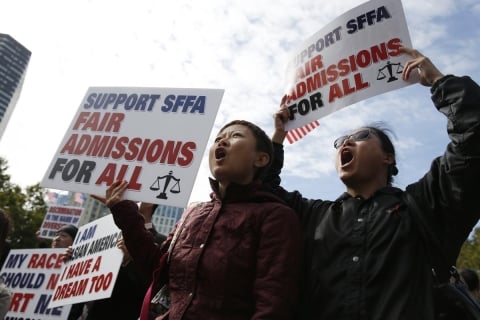
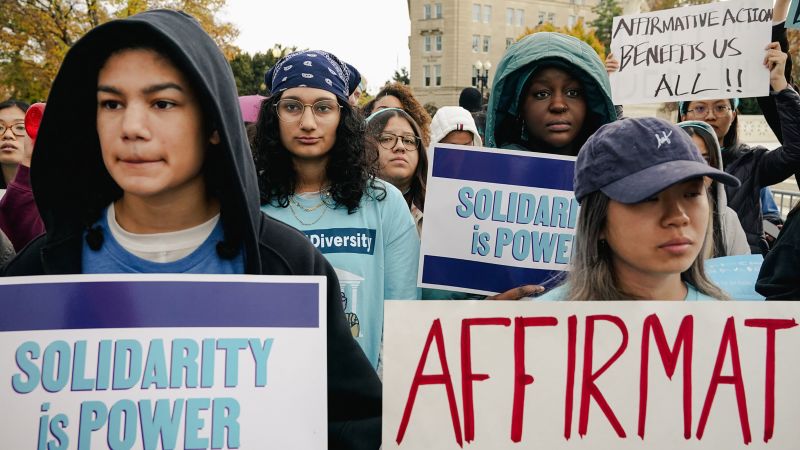
It was this practice that morphed into modern day affirmative action. Rather than exclude a group (Jews) they decided to give preference to other (Blacks, Hispanics, etc.). The benefit is clear but the challenge is that seems to have come at the expense of another group (Asians).