an army of automated drone robots drop ice cubes 24/7 onto the forest floor during the high risk seasons.
-
61
-
an army of drones o wrote:
an army of automated drone robots drop ice cubes 24/7 onto the forest floor during the high risk seasons.
I think something like this would actually work
42 -
High winds, lack of rain and climate change stoking California fires - BBC News wrote:
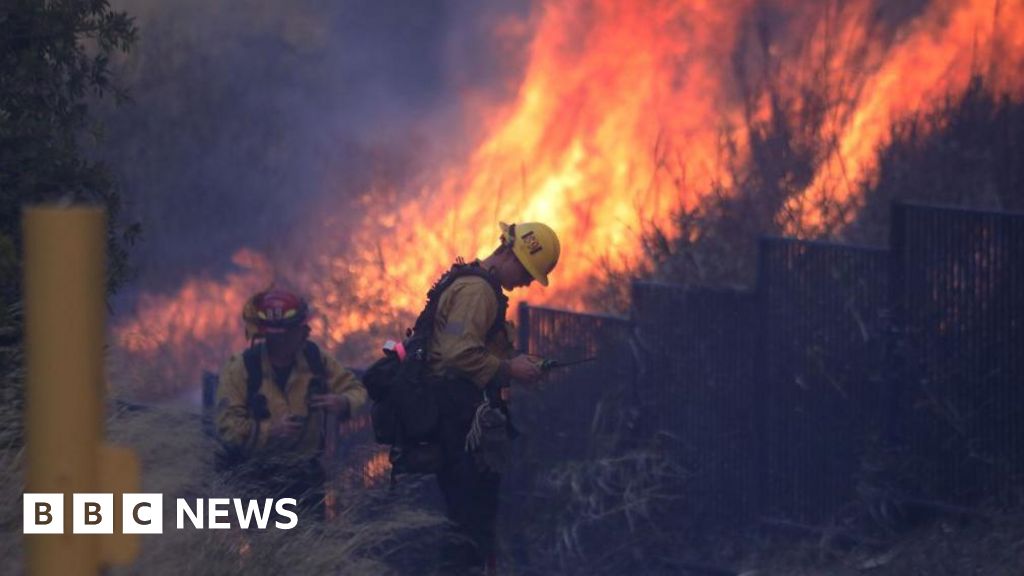
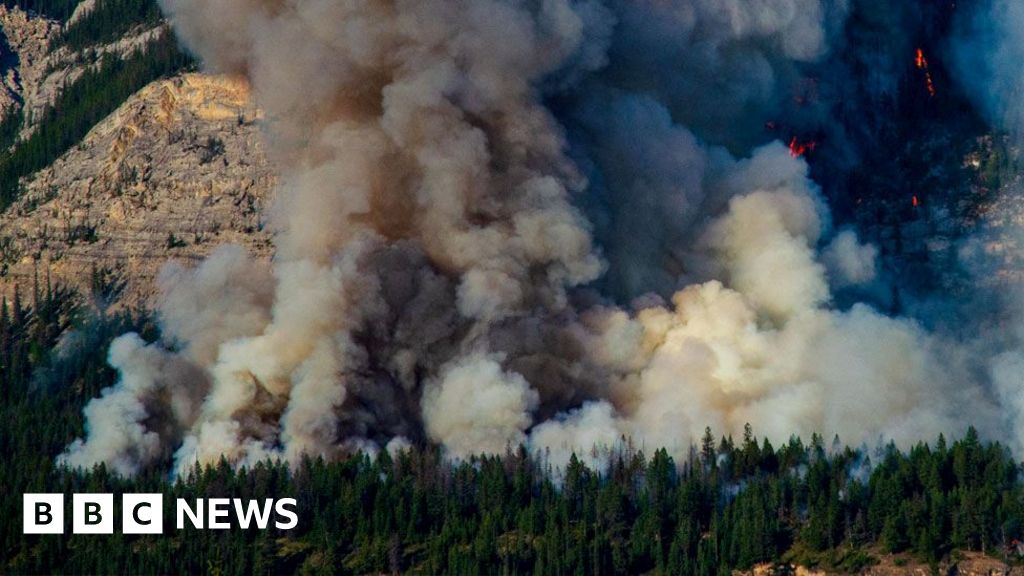
High winds and lack of rain are the main factors driving the Southern California fires, but climate change is altering the background conditions, increasing the likelihood of these conflagrations, say experts.
Researchers have shown that a warming world increases the number of "fire weather" days, when conditions are more suited to outbreaks of fire.Climate Change is definitely contributing to the incidents and severity of these wildfires. But don't take my word for it:
918 -
I don't live anywhere near California but I think my home owners insurance is about to go up.
150 -
We all pay wrote:
I don't live anywhere near California but I think my home owners insurance is about to go up.
And the wildfire smoke can travel hundreds of thousands of miles, effecting the air quality for so many of us.
Yes, we all pay in so many ways.
53 -
an army of drones o wrote:
an army of drones o wrote:
an army of automated drone robots drop ice cubes 24/7 onto the forest floor during the high risk seasons.
I think something like this would actually work
Sending drones with water based on satellite data could work in theory but you need TONS of water for all but the absolute smallest fires.
63 -
Harambe wrote:
an army of drones o wrote:
I think something like this would actually work
Sending drones with water based on satellite data could work in theory but you need TONS of water for all but the absolute smallest fires.
well I think the technology will eventually exist where you could send swarms of drones to drop water AFTER the fire has started
I guess I'm speaking more to wildfire prevention, or at least preventing it from spreading into neighborhoods. It seems like you could create a 100m fireline and make the outside of homes fireproof (from embers).
31 -
an army of drones o wrote:
Harambe wrote:
Sending drones with water based on satellite data could work in theory but you need TONS of water for all but the absolute smallest fires.
well I think the technology will eventually exist where you could send swarms of drones to drop water AFTER the fire has started
I guess I'm speaking more to wildfire prevention, or at least preventing it from spreading into neighborhoods. It seems like you could create a 100m fireline and make the outside of homes fireproof (from embers).
With such hot and drying conditions I don’t think you can move enough water to make a difference. I think it has to be reactionary.
53 -
Harambe wrote:
an army of drones o wrote:
well I think the technology will eventually exist where you could send swarms of drones to drop water AFTER the fire has started
I guess I'm speaking more to wildfire prevention, or at least preventing it from spreading into neighborhoods. It seems like you could create a 100m fireline and make the outside of homes fireproof (from embers).
With such hot and drying conditions I don’t think you can move enough water to make a difference. I think it has to be reactionary.
fair.
well this article speaks to drone swarms responding to wildfires. as long as there is enough water to pull from, this would be a fantastic idea
30 -
an army of drones o wrote:
Harambe wrote:
With such hot and drying conditions I don’t think you can move enough water to make a difference. I think it has to be reactionary.
fair.
well this article speaks to drone swarms responding to wildfires. as long as there is enough water to pull from, this would be a fantastic idea
It’s a cool idea.
Imagine backpackers building illegal campfires getting soaked 🤣
73 -
California has always had wildfires. Wildfires are part of the natural ecology of western forests.
There are lots of ways to mitigate the impacts of wildfires. But none of them would do much to stop the fires we are seeing in LA right now. Fire breaks between buildings and natural areas are a great idea, but do not do much when there are hurricane force winds. Controlled burns help, but are very difficult to control when the brush has been baked for so long in bad drought conditions. Controlled burns were cancelled this year because the risk of them getting out of control was too high. Burying power lines can also help, but that is very expensive and can be even more expensive if the underground lines are torn up by an earthquake. Thinning out forests with controlled burns can also help, but a real responsible thinning program is expensive and more often than not what people claim is "thinning" is just a way to allow logging on sensitive forest ecosystems. And even if you do all of the above, there will still be fires because it has been so hot and dry that everything is ready to burn.
114 -
The world's largest body of water is nearby if drones need a source of it.
51 -
water everywhere wrote:
The world's largest body of water is nearby if drones need a source of it.
I feel like the issue isn't the availability of water its the energy required to move it.
Water is heavy and you need A LOT to quench fires. The largest firefighting planes in the US are DC-10s that can hold ~10k gallons of water / retardant. I believe fire services use millions of gallons in large fires. I just don't see 100s of DC-10 equivalent drones flying around any time soon.
81 -
Precious Roy wrote:
California has always had wildfires. Wildfires are part of the natural ecology of western forests.
There are lots of ways to mitigate the impacts of wildfires. But none of them would do much to stop the fires we are seeing in LA right now. Fire breaks between buildings and natural areas are a great idea, but do not do much when there are hurricane force winds. Controlled burns help, but are very difficult to control when the brush has been baked for so long in bad drought conditions. Controlled burns were cancelled this year because the risk of them getting out of control was too high. Burying power lines can also help, but that is very expensive and can be even more expensive if the underground lines are torn up by an earthquake. Thinning out forests with controlled burns can also help, but a real responsible thinning program is expensive and more often than not what people claim is "thinning" is just a way to allow logging on sensitive forest ecosystems. And even if you do all of the above, there will still be fires because it has been so hot and dry that everything is ready to burn.
"Controlled burns were cancelled this year because the risk of them getting out of control was too high."
So instead they got unplanned, uncontrolled burns. Smart!
121 -
well the LA mayor cut 17.6 million from the LAFD...that sure didn't help.
91 -
Wrong way wrote:
Ca$hclay wrote:
Fool's task. We can certainly mitigate to lessen the impact when they occur, but until we can stop dry Santa Ana offshore winds and end perpetual drought in an arid desert environment, you might as well try and stop hurricanes on the east coast or humidity in the south. Fires have always been part of the so cal environment and always will be.
Santa Ana winds are not offshore. They come from the high deserts.
Santa Ana winds are almost always offshore. "Offshore" means blowing from the land towards the ocean. In this case they tend to blow from the high deserts towards the west.
51 -
Honest opinion wrote:
Curtailing global warming would definitely help.
This! Alter the Climate to meet our best interests. We can all support this! Please!
24 -
One of Trumps better ideas was to rake the forest.
This could bring millions of jobs to the starving people of Appalachia. They could work in California, raking the hillsides.61 -
This is obviously the wrong place to solve the problem, but because I have published research in this area, I'll bite. The current wildfire problem exists in much of the Western half of the continent, regardless of the state's political standing (obviously). It is happening primarily due to anthropogenic influence: wildfire debt, hotter and drier fire seasons, and humans start 99% of wildfires. For the last 150+ years people haven't allowed natural wildfires to propagate, resulting in what is called a wildfire debt - basically small, easily burnable brush have continued to accumulate instead of being burned, resulting in a huge surplus of fuel. Secondly, whether or not you believe in climate change, the most recent fire seasons are the hottest and driest on record, helping wildfires spread. Lastly, idiots with campfires, improperly setup power lines, fireworks, and other man-made or made-generated actions are starting more potential wildfires than ever before.
Solutions lie in: controlled burns, permanent natural fire retardants currently in development, better fire suppressants for planes, brush clearing, long term climate policy, improved funding for wildfire-response, new satellite technology for rapid wildfire detection, and idiots to stop starting fires.
134 -
THE LA fire dept budget is 65% of what is spent on the homeless...Maybe spend more on firefighting.. and fire prevention...
30
What People Are Talking About On LetsRun
No top threads at the moment. Check back soon.