Omanyala got his Visa, it's fine. they were just trying to verify his real age.
-
37
-
These sound like questions that an athletics journalist might ask of experts. Let's hope there are some athletics journalists around.
200 -
There’s been a fantastic glut of people waiting for visa appointments at US embassies around the world since Covid brought it all to a standstill in 2020.
In reading many of the replies, it seems that most here aren’t aware that every visa issued by the Americans requires a fair bit of paperwork as well as an in-person interview at the embassy or consulate. I’m certain that there simply isn’t the availability to get everyone in for interviews and that the American foreign service has only been minimally engaged by their federation to assist in this.
In short, Covid created a massive backlog in the visa appointment process and the American government doesn’t seemed to be very involved in trying to find extra appointments for athletes due to compete in Eugene.
141 -
There are several factors involved. The first is the wait time to get a visa. As the application is done in the athletes home country and so the time can vary dramatically from a couple of weeks to several months. According to the US Government in general, the B-1 visa processing time is about three months (90 days) for USCIS to process work permit applications but has been taking longer recently, often 4,1/2-5 months
If the US decide your visa application requires an in person interview then the wait period goes through the roof: 685 days for an interview appointment in Kenya, 195 days in England. I would think though that international athletes would not be required to sit an interview.
The second problem is while you apply for your visa you have to give the US embassy your passport. Again the US Government states: The passport of the applicant will remain at the US embassy/consulate that he/she has applied at, during the whole period of visa processing.
If you remember a few weeks ago Ethiopia wanted to stop all their athletes leaving the country and competing abroad prior to the WCs. This was almost certainly visa related. If the athlete is in Europe his passport is also in Europe and not at the US Embassy in Addis Ababa.
Some countries realise this applying for visas can be a problem for frequent travellers and so allow concurrent passports, Britain allows up to three concurrent passports. I have not been able to find out if Kenya or Ethiopia are amongst those that allow concurrent passports. I would imaging that any competent athlete's agent will push for concurrent passports for their athletes if they are available.
140 -
Little Dicky Pound wrote:
These sound like questions that an athletics journalist might ask of experts. Let's hope there are some athletics journalists around.
International events require lawyers to provide foreign guest information to the US State Department. This was not done. Consequently each natl body had to figure out how to work with the US Embassy on their own. They never had to do that since it's always provided by the host organizer. As a result it appears many guest will be scratched.
30 -
I've been involved with bringing foreign teams into the US, for a tournament, almost all the issues we have had were with the athlete not the us. My guess is that their country's body did not have the proper paperwork or the athlete did not provide the proper paperwork/info
610 -
rojo wrote:
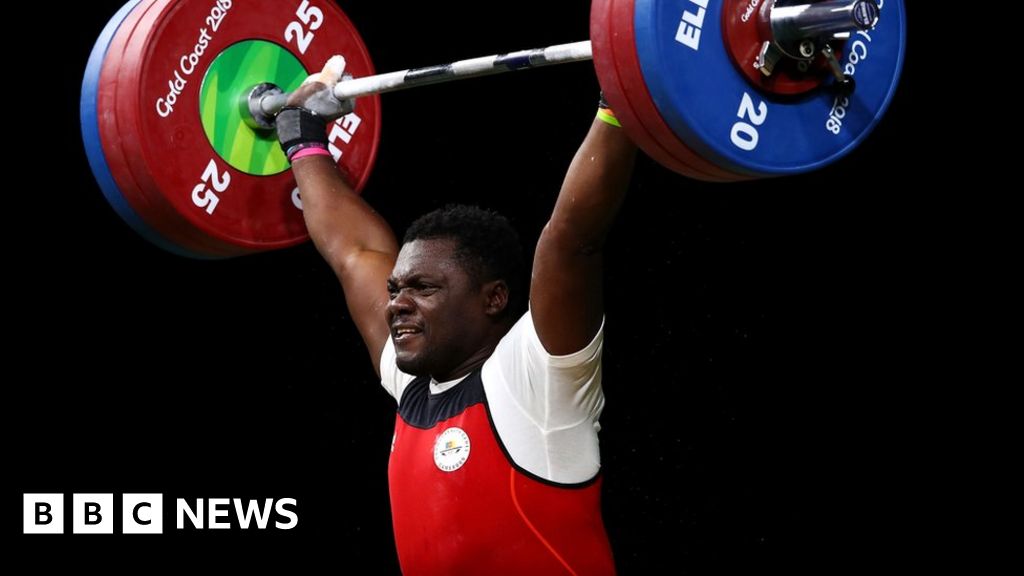
So I've been reading how a good number of athletes may not be let into the country for Worlds including African 100 record holder Ferdinand Omanyala.
Can someone explain this to me? What is the issue and who is to blame?
Everyone has known for years the track meet was going to be in Eugene this weekend. It seems like the US and the various countries should have this easily figured out, particularly for someon as high profile as Ferdinand Omanyala.
Is there a reason why a particular person wouldn't get a visa but others do? Does it mean the govt is worried about that person coming to the country?
If it was me, hell I'd just give Kenya the exact number of Visas they need - if they have 50 athletes and 50 staff, just give them 100 and let them figure it out.
If a few of them don't go back, who hell cares? We've got hundreds of thousands coming over here illegally every year anyway - a handful of talented track athletes isn't going to meaningfullly change anything anyway.
I really don't get how there is any issue for something that should have been planned years in advance. Who is to blame? Agents? US govt? Or the govt of the athletes struggling to get the visas?
If it was me, hell I'd just give Kenya the exact number of Visas they need - if they have 50 athletes and 50 staff, just give them 100 and let them figure it out.
Since countries are based on borders, most would never officially outsource their visa- vetting and legal grant-of-entry decisions to another nation. Given the amount of terrorism and espionage in the world, most countries would regard your idea as naive and foolish.
If a few of them don't go back, who hell cares?
The number of athletes who don't leave so-called "first world" countries like the US, UK, Australia and France when their temporary visas for international competitions expire is often more than "a few."
You also have to look at the question of "who cares?" from the perspective of athletes' homelands especially in the context of geopolitics in the post-colonial era when many in "the Global South" still have many legitimate grievances about being muscled around by foreigners from "the Global North."
Poor majority-black countries in Africa like Kenya with a history of being colonized, exploited and bossed around by rich, majority-white countries generally aren't keen on the idea of losing their top athletes to powerful, wealthy largely white countries like the USA and UK. Countries in sub-Saharan Africa want the elite athletes they've invested time and money into training and supporting to bring home gold and glory to their own native lands and native peoples, not run off and take up residence in a rich white country like the USA or UK the first chance they get.
When an elite athlete from Africa with the stature of Ferdinand Omanyala does not return home after competing abroad in a so-called "first world" country, it typically creates diplomatic tensions (or worse) between the country the athlete comes from and the one he or she stays in. If the athlete takes the step of seeking formal asylum or legal residence with hopes of eventual citizenship in the country hosting the event, it causes huge headaches for that country and a loss of face for the athlete's country of origin.
Then there's the matter of the mums, dads, siblings, cousins, uncles, aunts, grand parents, neighbors of athletes (and other individuals) who overstay. Whenever one person from an impoverished, corrupt, unstable or war-torn country emigrates (legally or illegally) to a country like the US or UK, they usually will seek to have many other "family members" join them in their new land in due course.
Also, for immigration purposes, the definition of "family" used in parts of the world like East Africa is far looser and more creative than the definition commonly understood in the US. Earlier this century, the US refugee program put a moratorium on further "family reunification" applications from some ethnic populations in East Africa because DNA testing showed that persons from those groups claiming to be close relatives often were not.
61 -
Because U.S. immigration is incredibly strict and it's well known customs and border checks are really difficult. The Nigerian relay teams were denied entry to the U.S. last year for a training camp. Many sports people are denied entry every year and it never makes the news. You only know about this instance because you follow the sport.
Visas are not tickets, you can't just give 50 visas and ask the federations to decide who travels. That is a totally ridiculous you would even think that is what would happen. There is a question on the ESTA application form which asks "Do you seek to engage in or have you ever engaged in terrorist activities, espionage, sabotage, or genocide?" (as if someone would admit to this on the form!). That is the sort of bureaucracy you have to pass.
92 -
The US visa process is a mess right now. Needed to get a visa in 2020 for the US and it took forever to come through even being sponsored by a large multinational and having their lawyers take care of everything. I know an athlete who was trying to get a P1 visa to train with a group in the states for this year who just gave up trying to get it as it was taking too long and it didn't make sense anymore waiting to get in.
Covid has created massive backlogs - other posters have identified some of these issues already. It is not a US specific issue though. A bunch of athletes couldn't compete in the Birmingham Diamond League due to visa issues. Heck, multiple members of team staff for the Montreal F1 Grand Prix didn't get their visas in time, and that's despite the stupid amount of money F1 teams have to throw at problems.
I have to agree with another poster - right now the age of seamless international travel is, maybe not over, but on pause. Between visa slow downs and airport chaos, you're a fool to be booking just-in-time travel plans.
60 -
The Federal Government of the USA has proven repeatedly they cannot manage a neighborhood lemonade stand, let alone a pandemic, oil / gas shortage, supply chain issues and the list goes on. Now we're expecting they and the crackpots at USATF to work together to ensure the athletes who have qualified can get here to compete? The country team managers should have just paid a flat rate to the cartel to get these teams across via the SW borders.
11 -
Another perspective wrote:
The US visa process is a mess right now. Needed to get a visa in 2020 for the US and it took forever to come through even being sponsored by a large multinational and having their lawyers take care of everything. I know an athlete who was trying to get a P1 visa to train with a group in the states for this year who just gave up trying to get it as it was taking too long and it didn't make sense anymore waiting to get in.
Covid has created massive backlogs - other posters have identified some of these issues already. It is not a US specific issue though. A bunch of athletes couldn't compete in the Birmingham Diamond League due to visa issues. Heck, multiple members of team staff for the Montreal F1 Grand Prix didn't get their visas in time, and that's despite the stupid amount of money F1 teams have to throw at problems.
I have to agree with another poster - right now the age of seamless international travel is, maybe not over, but on pause. Between visa slow downs and airport chaos, you're a fool to be booking just-in-time travel plans.
But a P-1 visa isn't supposed to be for training purposes, is it? US gov says P-1 visa is for an "Individual or Team Athlete, or Member of an Entertainment Group" for the specific purposes of allowing them
To perform at a specific athletic competition as an athlete or as a member of an entertainment group. Requires an internationally recognized level of sustained performance. Includes persons providing essential services in support of the above individual.
As for athletes not getting visas to other countries to compete in events to which they have been invited: the UK recently denied a visa to young woman from Iran who had earned a chance to play top-tier tennis at the British Open at Wimbledon.
Last summer, Japanese officials initially issued a de facto ban of a marginalized and tiny minority group of women in sports by refusing to allow female athletes from foreign countries competing at the Tokyo Olympics who were breastfeeding to bring their babies with them to Japan. Fortunately, following protests the Japanese officials relented.
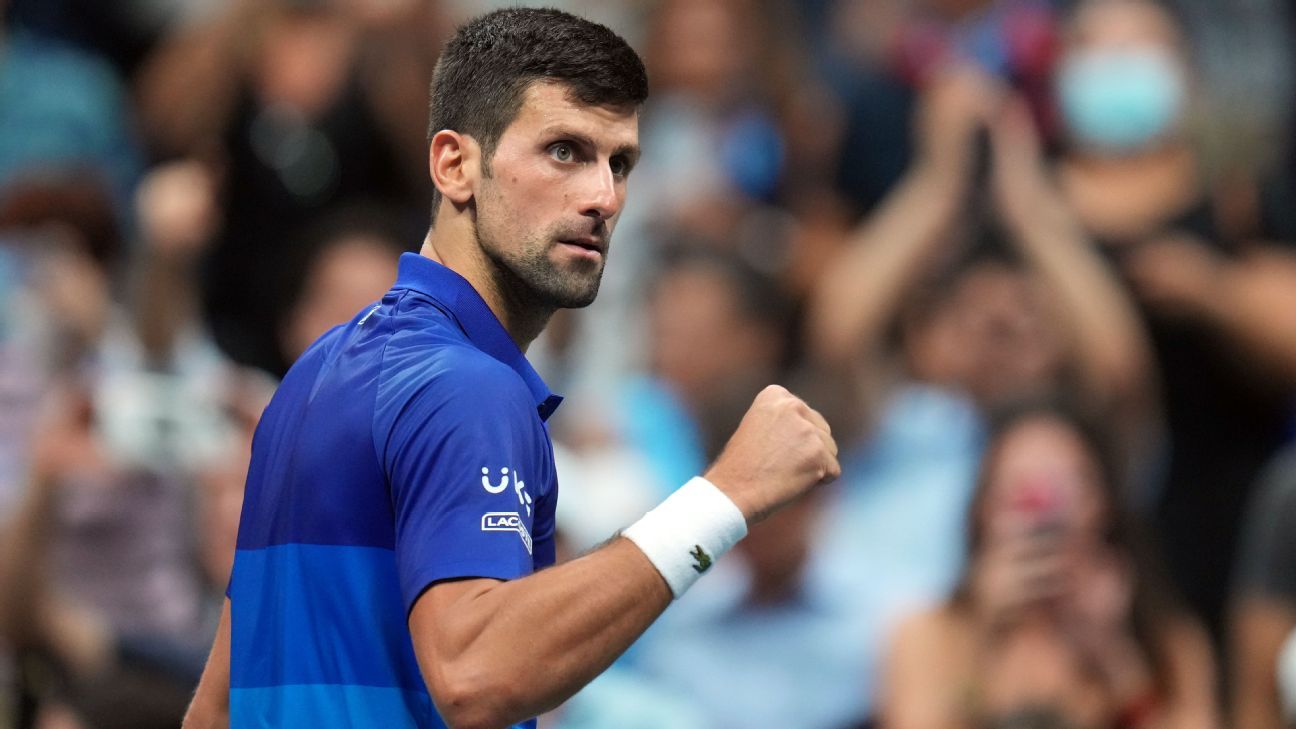
Also, I seem to remember that earlier this year there were huge headlines pretty much everywhere about a wold-famous, top-seeded men's professional tennis player whose visa to enter Australia for the Australian Open was revoked when he arrived there.
11 -
rojo wrote:
zcxvzxcv wrote:
How could you give a set of visas without checking the individuals when you have specific criminal and terrorist lists you have to check before approving anyone and how could you vet the athletes six months out when the teams aren't chosen until one month out? The fact is that attrition and limits on gov't spending have put the state department in a months long backlog for visas and passports. Try scheduling an appointment for a rush (one week) passport and you'll see what it is like. Be sure to call at exactly 8 a.m. EDT or 5 a.m. PDT to try, because within ten minutes they'll be gone and you'll have to try the next day for the next batch. Those who are paying companies hundreds for them are using autodialing programs to get in and then reserving all the appt.s before anyone using normal phones can get in (they dropped the online appt system because they were using bots to grab the spots). Until Congress appropriates more money to them and IRS and so on, we'll have a non-working gov't.
Non of this is should apply. This is the World Champs. We invited htem to our country. If i'm the ambassador to Kenya, I'm making this my #1 priority that Omanyala gets here.
You clearly don't understand how U.S. embassies function, and what their priorities are. The U.S. Ambassador to Kenya has a series of priorities, and getting a Kenyan athlete to America on time for a track meet is not even in the top 20.
The embassy's top priority is the safety and security of American citizens in Kenya. This includes American citizen services (passports, consular reports of birth abroad, welfare and whereabouts cases) immediately, and more strategically, working with Kenyan partners on key regional security issues (Somalia, piracy, terrorist cells, regional stability). Non-immigrant visa appointments are important, but not mission critical.
As for zcxvzxcv's note on Congressional appropriations: money for overseas consular operations comes from visa application fees paid for by foreigners who want to come to the United States.
41 -
Just telling it like it is son wrote:
Little Dicky Pound wrote:
These sound like questions that an athletics journalist might ask of experts. Let's hope there are some athletics journalists around.
Seeing as how Rojo doesn’t like to work, don’t expect this to happen
Fake news. Rojo doesn't know if he likes work or not; the issue has never come up.
50 -
#Oregon22 didn't hire a communications firm to handle the millions of details necessary to have Worlds.
30
6 posts were removed from this page.
What People Are Talking About On LetsRun
No top threads at the moment. Check back soon.