With solar panels or solar power plants, the sun will provide the energy for ev charging.
-
46
-
In Berlin, there are chargers right on curb of streets, so you park for the day or for a few hours and your car is charged when you're done. It's easy to monetize that as well by charging for the charge.
44 -
EVs suck. Look up lithium mining.
133 -
Top reasons for not buying a EV are range, lack of access to charging points, and price. All seem like very reasonable concerns to not buy an EV at this point in time.
But instead lets write a condescending article focusing on how the dumb rubes don't understand climate change and electric battery technology.
162 -
EV\'s are a scam wrote:
Jeff Wigand wrote:
What are we going to run out first: petrochemicals or sunshine?
That's cute. Which one is actually a viable source of energy at this point? Not the sun.
The Sun has a longer shelf life.
How long are oil and gas going to last? How many more centuries can those be used to power human society?
43 -
Merica wrote:
...won’t even consider.
Let’s see how the Ford F-150 lightning turns out. In the US the Ford F-150, Chevy Silverado and Dodge Ram are some of the most popular vehicles. Then you have the suburbans, tahoes, and expeditions. Until EV can offer Americans something of greater size and utility, I can see people remaining hesitant.
There are also the stories of people getting 70-80k miles on their EV and the battery begins to fail. Cost for battery: $7kish…cost to install battery: $2k as they have to lift the body from the chassis. Trade in value of EV with bum battery: $3k. Meanwhile, I can buy a used Honda Civic and drive it for 300k+ miles, save money, pay cash for another Civic or Camry and drive it another 300k+ miles.
Even with gas hitting $4.50 a gallon, my gas bill is still less than what a car payment would be for an EV.
101 -
and yet people still buy Teslas.
GM just lowered the price of the Bolt to counter their loss of federal tax rebate...
so, how about leaving Government out of the equation and letting market forces dictate EV prices.
52 -
Where is the infrastructure to support EVs? I work for a large tech company, they don't have any plans to install any charging stations. I have a 35 mile commute ... no option to charge the EV that I won't even consider buying. There is essentially no infrastructure outside of metropolitan areas. Why would someone in a rural or lightly populated area with no infrastructure even consider purchasing an EV? What about maintenance? How many young Let'sRun folks are planning to become EV mechanics?
71 -
Primo Numero Uno wrote:
Top reasons for not buying a EV are range, lack of access to charging points, and price. All seem like very reasonable concerns to not buy an EV at this point in time.
But instead lets write a condescending article focusing on how the dumb rubes don't understand climate change and electric battery technology.
If you have a driveway and use your car almost exclusively for commuting and around town driving then your first two points are not only moot but provide and advantage to wasting time ever going to a gas station.
For the price issue, they are generally nicer cars and have lower maintenance costs.
No oil changes. Regenerative braking.The biggest issue with EVs now are the very small number of choices in styles.
Also, I really want to have at least one more manual transmission car and no EV has that.33 -
Ex L wrote:
Primo Numero Uno wrote:
Top reasons for not buying a EV are range, lack of access to charging points, and price. All seem like very reasonable concerns to not buy an EV at this point in time.
But instead lets write a condescending article focusing on how the dumb rubes don't understand climate change and electric battery technology.
If you have a driveway and use your car almost exclusively for commuting and around town driving then your first two points are not only moot but provide and advantage to wasting time ever going to a gas station.
For the price issue, they are generally nicer cars and have lower maintenance costs.
No oil changes. Regenerative braking.The biggest issue with EVs now are the very small number of choices in styles.
Also, I really want to have at least one more manual transmission car and no EV has that.I'll go with this take. However, my two ICE cars will be driven until they can't be driven any longer. But, if I do ever have to buy another car, it will almost assuredly be an EV.
21 -
samcallan wrote:
Get rid of the tax incentives. If a product is good, it does not need tax incentives. An incentive to owning an EV include the low cost of operation. I read an argument years ago that incentives tend to go to the folks who least need them. Do Tesla owners really need that few thousand dollars in tax breaks? Seems like that is basically a gift to Tesla from the government.
For a good number of people who live in a situation where charging is an issue it makes sense not to consider one. Unless apartment complexes invest in putting in charging stations, that is going to eliminate a lot of buyers. Many city dwellers may not have access to overnight charging either. I think about my friends in Chicago who own cars and street park. Who is going to put in the charging stations on all those streets in large urban areas?
I get the fear people have about range. I suspect folks are thinking of that one or two times a year where they drive farther than the range of a single charge whereas the vast majority of us would not expend a full charge in a week. My sister just ordered an EV. She did the calculation and research, and for a long drive she regularly does (4x a year at least), she can make it with one 30 min stop and there is a charging station situated perfectly.
The big area where EVs can have an impact is on fleet vehicles. The US postal service is going to buy many. Fleets are perfect for EVs and most stay in one spot overnight and from what I have seen can do their duty on a full charge easily.
The one "30 minute stop" isn't feasible if you're traveling on a holiday weekend. All the freeway Tesla chargers have long lines during prime travel times.62 -
BigJackCity wrote:
Why would someone in a rural or lightly populated area with no infrastructure even consider purchasing an EV? What about maintenance? How many young Let'sRun folks are planning to become EV mechanics?
For most people in lightly populated areas, the infrastructure already runs right to your house. I think the problem is actually worse for people in urban areas/apartments -- this is partly why I don't drive an EV.
As for maintenance, that seems like one of the key benefits of EVs -- fewer mechanical parts that can fail. I suspect in 10 years EVs will be overall better cars, and people will all switch over.
24 -
BigJackCity wrote:
Where is the infrastructure to support EVs? I work for a large tech company, they don't have any plans to install any charging stations. I have a 35 mile commute ... no option to charge the EV that I won't even consider buying. There is essentially no infrastructure outside of metropolitan areas. Why would someone in a rural or lightly populated area with no infrastructure even consider purchasing an EV? What about maintenance? How many young Let'sRun folks are planning to become EV mechanics?
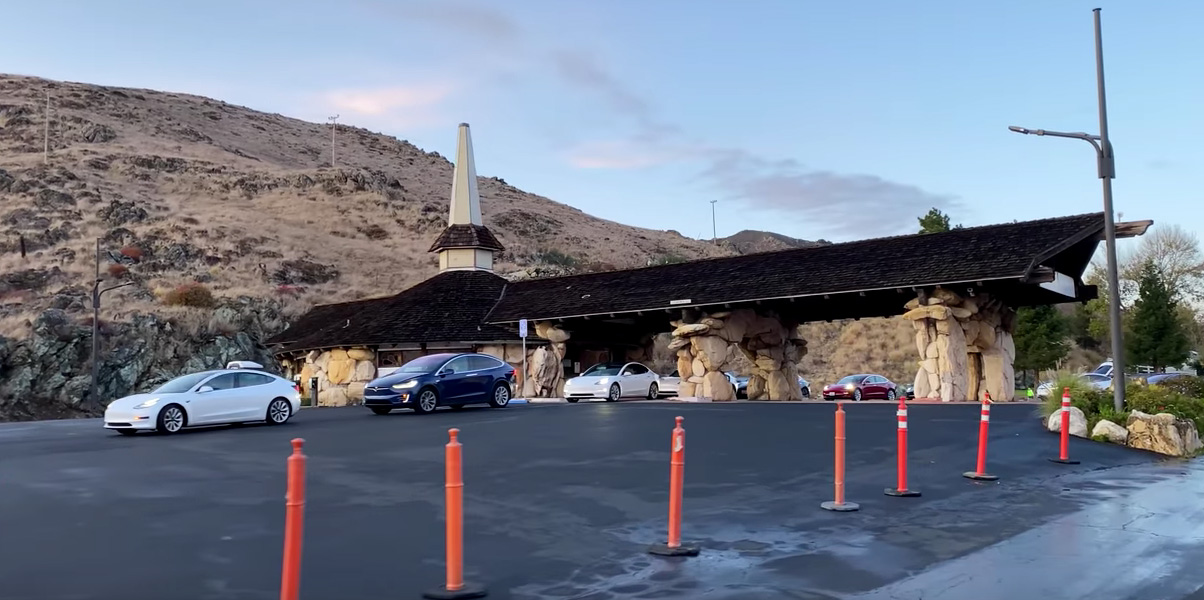
We have a cabin in Fairplay CO, think South Park. Small mountain town but they have 2 EV chargers in parking lot of FairPlay police dept. definitely rural and less than 100 miles back to Colorado Springs. Disagree no infrastructure outside metropolitan areas.
33 -
Merica wrote:
...won’t even consider.
Read the whole article dum dum. People have legitimate reasons for not considering them an option currently.
40 -
And it's 'Murica, or at least that's what I prefer. Do better!
00 -
Jeff Wigand wrote:
EV\'s are a scam wrote:
That's cute. Which one is actually a viable source of energy at this point? Not the sun.
The Sun has a longer shelf life.
How long are oil and gas going to last? How many more centuries can those be used to power human society?
I'm not denying that. It just isn't a viable option at this point to justify switching.
30 -
chgray wrote:
BigJackCity wrote:
Where is the infrastructure to support EVs? I work for a large tech company, they don't have any plans to install any charging stations. I have a 35 mile commute ... no option to charge the EV that I won't even consider buying. There is essentially no infrastructure outside of metropolitan areas. Why would someone in a rural or lightly populated area with no infrastructure even consider purchasing an EV? What about maintenance? How many young Let'sRun folks are planning to become EV mechanics?
We have a cabin in Fairplay CO, think South Park. Small mountain town but they have 2 EV chargers in parking lot of FairPlay police dept. definitely rural and less than 100 miles back to Colorado Springs. Disagree no infrastructure outside metropolitan areas.
Wow! TWO whole chargers at the police station? That's it, I'm sold.
91 -
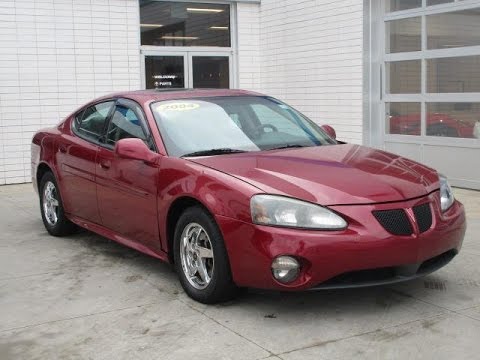
I have been driving one of these since 2004 love it, nice ride.
20 -
Only illustrating obsurdity of statement no EV charging outside metropolitan areas
32 -
Lectric Larry wrote:
I bought a plug in hybrid a couple of years ago, and when I make local trips I get around 80 mpg. I won't consider a full EV until they address range anxiety. I'd want to get in the 800-1000 mile range both to make the regional trips (about 4 or 5 per year) and if the grid goes down like it did here for a week. And, I don't need to be lectured by the EVangelicals that an 800 mile range is unreasonable.
It will take 450,000 miles before the carbon cost of manufacturing a hybrid breaks even with a conventional gas vehicle. In other words a hybrid vehicle will NEVER be environmentally better than a gas vehicle.
Thats the facts Jack!
59
What People Are Talking About On LetsRun
No top threads at the moment. Check back soon.