Hobbs Kessler calf strain update...
-
62
-
Hobbs emphasizes his gym work a lot in that podcast. Anybody have insights into what he does?
30 -
Kvothe wrote:
pretty wild that he has never had an injury. I guess that's what separates the elites from the rest of us though - they are near bulletproof and rarely have to back off in training to stay healthy.
Eh, it could be because he's only 22 years old.
Hasn't been training that long and he's got that youthful recuperation. Injury catches up with everyone eventually even the ones who are healthy for years like Jakob and Rupp.
71 -
Dumb dumb coaching wrote:
calf and achilles wrote:
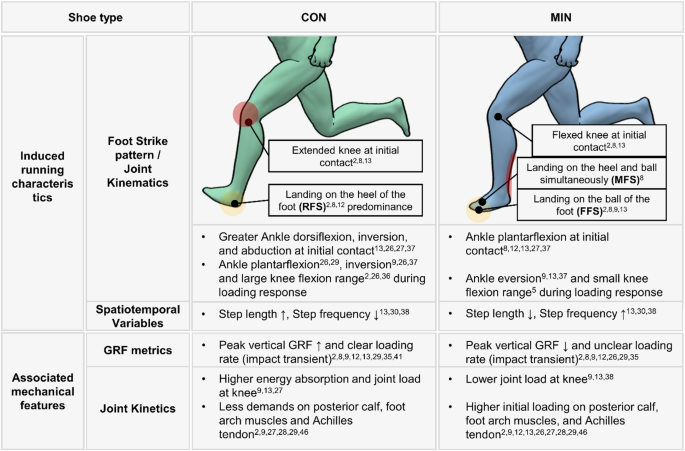
running in super shoes puts extra strain on the calf and achilles
Doing a threshold workout after a world record is stupid
ok, but what about that workout Galen did after Boston a while back? People were in awe of that!
-Bumdog
31 -
Grassrunner wrote:
Thanks for sending the link. I’d be super careful looking too deep into a study with such low power (n=15), and realizing that the posits of this article are somewhat different than previous similar studies (granted, also of relatively low power).
Though, this was the take home from the article that was linked: “Technologically advanced running shoes also decrease peak soleus and peroneus longus forces by 1.10 BW and 0.43 BW respectively”. Obvious deduction would lead one to think that this would lead to less injury of the lower leg. In other articles, there also seems to be a significant difference between men and women, presumably due to forces created and just general biomechanics.
Another couple of articles you might be interested in, the former specifically referring to shoes with a “carbon fiber plate”:
Hoenig, T., Saxena, A., Rice, H. M., Hollander, K. & Tenforde, A. S. Navigating the challenges and opportunities with ‘super shoes’: balancing performance gains with injury risk. Br. J. Sports Med.57, 1472 (2023).
Malisoux, L., Gette, P., Backes, A., Delattre, N. & Theisen, D. Lower impact forces but greater burden for the musculoskeletal system in running shoes with greater cushioning stiffness. Eur. J. Sport Sci. 23, 210–220 (2023).
90 -
Thalia Street wrote:
Grassrunner wrote:
Thanks for sending the link. I’d be super careful looking too deep into a study with such low power (n=15), and realizing that the posits of this article are somewhat different than previous similar studies (granted, also of relatively low power).
Though, this was the take home from the article that was linked: “Technologically advanced running shoes also decrease peak soleus and peroneus longus forces by 1.10 BW and 0.43 BW respectively”. Obvious deduction would lead one to think that this would lead to less injury of the lower leg. In other articles, there also seems to be a significant difference between men and women, presumably due to forces created and just general biomechanics.
Another couple of articles you might be interested in, the former specifically referring to shoes with a “carbon fiber plate”:
Hoenig, T., Saxena, A., Rice, H. M., Hollander, K. & Tenforde, A. S. Navigating the challenges and opportunities with ‘super shoes’: balancing performance gains with injury risk. Br. J. Sports Med.57, 1472 (2023).
Malisoux, L., Gette, P., Backes, A., Delattre, N. & Theisen, D. Lower impact forces but greater burden for the musculoskeletal system in running shoes with greater cushioning stiffness. Eur. J. Sport Sci. 23, 210–220 (2023).
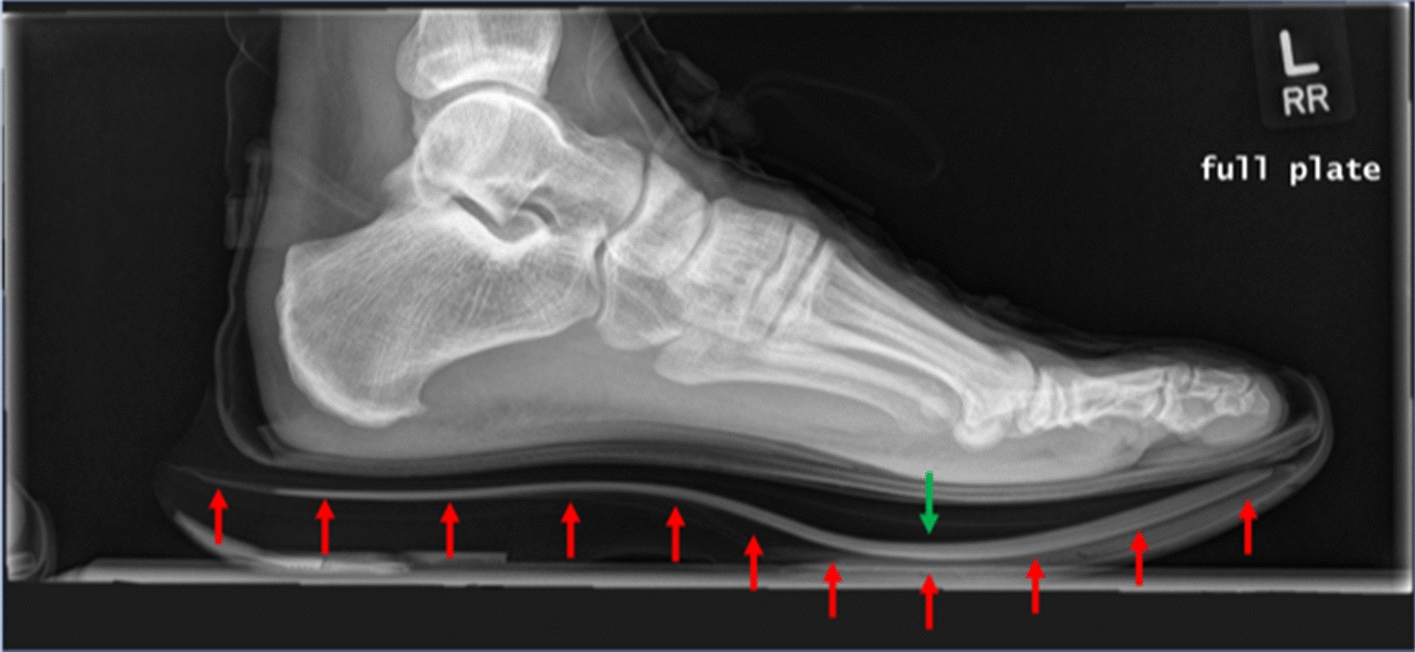
Cool. Thanks. It looks like the Malisoux article isn't on super shoes. The link for Hoenig et al is to an editorial (I couldn't get access), but I've read the small case series "opinion article" they presented that year on navicular bone stress injuries (I think the same subject - see below), which is interesting, but not a study. That being said, there are too many variables involved to make any broad, sweeping conclusions as different super shoe models have different properties, and the people who wear them have differing individual biomechanics and physiology, just to name a few of those variables. It is generally accepted that stable, appropriately fitted footwear with a stiff, properly placed forefoot rocker reduces work at the ankle joint plantarflexors, transferring the work higher up the posterior chain.
This post was edited 2 minutes after it was posted.00 -
Thalia Street wrote:
Grassrunner wrote:
Thanks for sending the link. I’d be super careful looking too deep into a study with such low power (n=15), and realizing that the posits of this article are somewhat different than previous similar studies (granted, also of relatively low power).
Though, this was the take home from the article that was linked: “Technologically advanced running shoes also decrease peak soleus and peroneus longus forces by 1.10 BW and 0.43 BW respectively”. Obvious deduction would lead one to think that this would lead to less injury of the lower leg. In other articles, there also seems to be a significant difference between men and women, presumably due to forces created and just general biomechanics.
Another couple of articles you might be interested in, the former specifically referring to shoes with a “carbon fiber plate”:
Hoenig, T., Saxena, A., Rice, H. M., Hollander, K. & Tenforde, A. S. Navigating the challenges and opportunities with ‘super shoes’: balancing performance gains with injury risk. Br. J. Sports Med.57, 1472 (2023).
Malisoux, L., Gette, P., Backes, A., Delattre, N. & Theisen, D. Lower impact forces but greater burden for the musculoskeletal system in running shoes with greater cushioning stiffness. Eur. J. Sport Sci. 23, 210–220 (2023).
The results of this article: "negative and positive work rates at the ankle were lower in NP (Nike Vaporfly prototype) shoes versus the other shoes".
Hoogkamer, W., Kipp, S. & Kram, R. (2019). The biomechanics of competitive male runners in three marathon racing shoes: a randomized crossover study. Sports Medicine, 49(1), 133-143
00 -
Grassrunner wrote:
Thalia Street wrote:
Thanks for sending the link. I’d be super careful looking too deep into a study with such low power (n=15), and realizing that the posits of this article are somewhat different than previous similar studies (granted, also of relatively low power).
Though, this was the take home from the article that was linked: “Technologically advanced running shoes also decrease peak soleus and peroneus longus forces by 1.10 BW and 0.43 BW respectively”. Obvious deduction would lead one to think that this would lead to less injury of the lower leg. In other articles, there also seems to be a significant difference between men and women, presumably due to forces created and just general biomechanics.
Another couple of articles you might be interested in, the former specifically referring to shoes with a “carbon fiber plate”:
Hoenig, T., Saxena, A., Rice, H. M., Hollander, K. & Tenforde, A. S. Navigating the challenges and opportunities with ‘super shoes’: balancing performance gains with injury risk. Br. J. Sports Med.57, 1472 (2023).
Malisoux, L., Gette, P., Backes, A., Delattre, N. & Theisen, D. Lower impact forces but greater burden for the musculoskeletal system in running shoes with greater cushioning stiffness. Eur. J. Sport Sci. 23, 210–220 (2023).
The results of this article: "negative and positive work rates at the ankle were lower in NP (Nike Vaporfly prototype) shoes versus the other shoes".
Hoogkamer, W., Kipp, S. & Kram, R. (2019). The biomechanics of competitive male runners in three marathon racing shoes: a randomized crossover study. Sports Medicine, 49(1), 133-143
I’m enjoying this conversation- thanks for that. Aleksander Bu (coach of Norwegian triathletes) said on a podcast not long ago that he doesn’t let his athletes train often in the “super shoes”. He feels that it makes the smaller muscles of the feet lazy and underdeveloped, leading to more injuries. As you alluded, there is so much variability as to what constitutes a super shoe- from different foams, rigidity, plate shapes, stability, and stack height- all creating different workload changes of the foot.
81 -
Ran into Hobbs yesterday at the bike shop in Greenville, SC. World record holder just walking around the shop like a regular Fred. Super nice kid, shook hands and took a photo, chatted for a bit. He was getting his bike kit squared away as he's going to be cross training while his calf recovers.
131 -
Thalia Street wrote:
calf and achilles wrote:
running in super shoes puts extra strain on the calf and achilles
Tell that to Evan Jager and Jakob Ingebrigtsen.
I need more context, were they training with regular shoes and they got achilles injuries? Or the other way around where super shoes saved their calves?
20 -
I have experienced a "calf heart attack" that was a bit tricky to recover from but it felt like a "calf heart attack." I have also had the "running through sand" experience where my calf just felt dead and didn't give me the feedback off the ground I was used to. In my experience, he could be fine in a few weeks either way but the heart attack version would be much tricker to recover from because it's so easy to re-tear when you think it's feeling fine.
40 -
I'm dealing with it myself right now! Heading out to PT as we speak. I've had issues with this multiple times over the past 15 years or so. There are forum discussions exclusively on this topic, if my memory serves me.
30 -
Hobbstan wrote:
Ran into Hobbs yesterday at the bike shop in Greenville, SC. World record holder just walking around the shop like a regular Fred. Super nice kid, shook hands and took a photo, chatted for a bit. He was getting his bike kit squared away as he's going to be cross training while his calf recovers.
I had a similar experience when I met him in-person - I was racing at a meet that he was just spectating at. Great guy and happy to talk to fans! Makes him even more fun to root for.
80 -
Grassrunner wrote:
calf and achilles wrote:
running in super shoes puts extra strain on the calf and achilles
Do you have any evidence supporting this claim? The existing literature I've reviewed on this subject states the opposite.
Some conflicting results but the two most focused studies on the subject do not support the claim.
https://consensus.app/search/super-shoes-calf-achilles-strain/fYt3Ewd-R6meienYB6cUnQ/00 -
Super shoes and super trainers are a double edged sword.
I do not encourage my athletes to train in them for a few reasons:
1. Inflated times (we don't wear supershoes in cross or track, so dropping your tempo pace 10s/mile with shoes is fake fitness imo). If my high schoolers were also racing in these shoes on the roads, maybe I would feel differently.
2. And most importantly: super shoes mask inefficiencies until the inefficiency is so bad it causes a significant injury. Yes, they allow for better recovery and force mitigation, but they also allow athletes to get away with lazy mechanics- part of the allure of supershoes and why we continue to see times plummet, especially in long races with a ton of cumulative fatigue.
Interesting articles; thank you for sharing. Supershoes are obviously here to stay and a net benefit, but more than a few stellar athletes have at least allowed shoes to factor into larger injuries to some amplitude.
30 -
Thalia Street wrote:
calf and achilles wrote:
running in super shoes puts extra strain on the calf and achilles
Tell that to Evan Jager and Jakob Ingebrigtsen.
When trying to sound smart it helps to make intelligent statements.
20